
 中文简体
中文简体

A Guide To Cleaning And Maintaining Plastic Water Cups
Reusable cups and bottles are increasingly standard in offices, gyms, and daily routines. Cups With Lids And Straws, Clear Water Bottles, and BPA-free clear water bottles provide convenience, portability, and safe hydration. However, their performance and hygiene depend on proper care. Many users underestimate the importance of cleaning caps, straws, and sealing rings, which can harbor bacteria.
Proper use and maintenance ensure long-lasting durability while keeping your drinking experience consistently healthy. This guide explores practical tips for cleaning, maintaining, and using these bottles effectively.
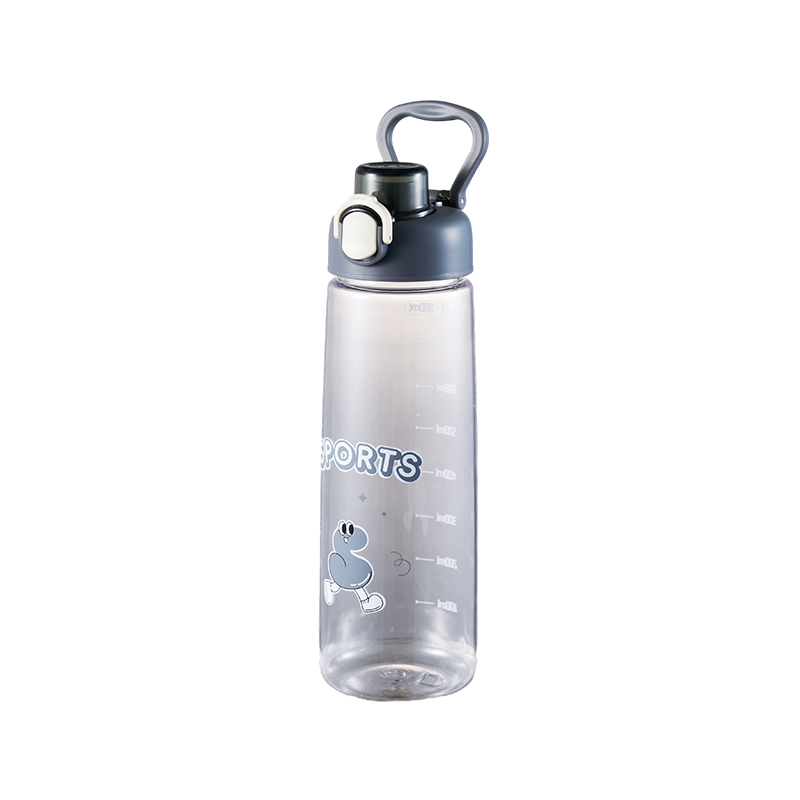
Benefits of Cups With Lids And Straws for Daily Use
Cups With Lids And Straws are designed to minimize spills and make drinking more convenient. They are ideal for office desks, outdoor activities, gyms, and even home use. The straw and lid design allows controlled liquid flow, reducing accidental messes.
Many users do not realize that moisture can accumulate inside the straw or lid crevices. Over time, bacteria and mold may develop if these areas are neglected. Establishing a daily cleaning routine is essential to prevent microbial growth.
In an office environment, employees often fill cups multiple times a day. A cup left unwashed for several hours may develop an odor or residue that can compromise both hygiene and taste. Regularly rinsing and cleaning the cup, including the straw, maintains both safety and freshness.
Why Clear Water Bottles Are Practical
Clear Water Bottles allow users to visually monitor water levels and detect residues or cloudiness. This transparency is especially valuable in workplaces where multiple employees may refill the same bottles or when hydration schedules are tracked.
A smooth internal surface helps prevent bacteria from hiding in scratches or crevices. Some clear bottles feature wider openings for easier cleaning, making them more suitable for daily use.
During gym sessions, users often refill water bottles with filtered water. A transparent bottle allows them to see whether leftover sweat or debris from the bottle cap needs attention before drinking.
Advantages of BPA Free Clear Water Bottles
BPA Free Clear Water Bottles minimize chemical leaching, particularly when exposed to warm liquids. This reduces concerns about endocrine disruption, making these bottles safer for long-term use.
Even high-quality BPA Free Clear Water Bottles require proper care. Hot liquids, acidic beverages, or extended storage may still affect the bottle material. Regular inspection of bottles for scratches, discoloration, or odor ensures continued safety.
For employees using bottles in sunny or high-temperature conditions, a BPA Free Clear Water Bottle is safer than conventional plastic bottles. However, care must be taken to avoid leaving hot liquids inside for extended periods.
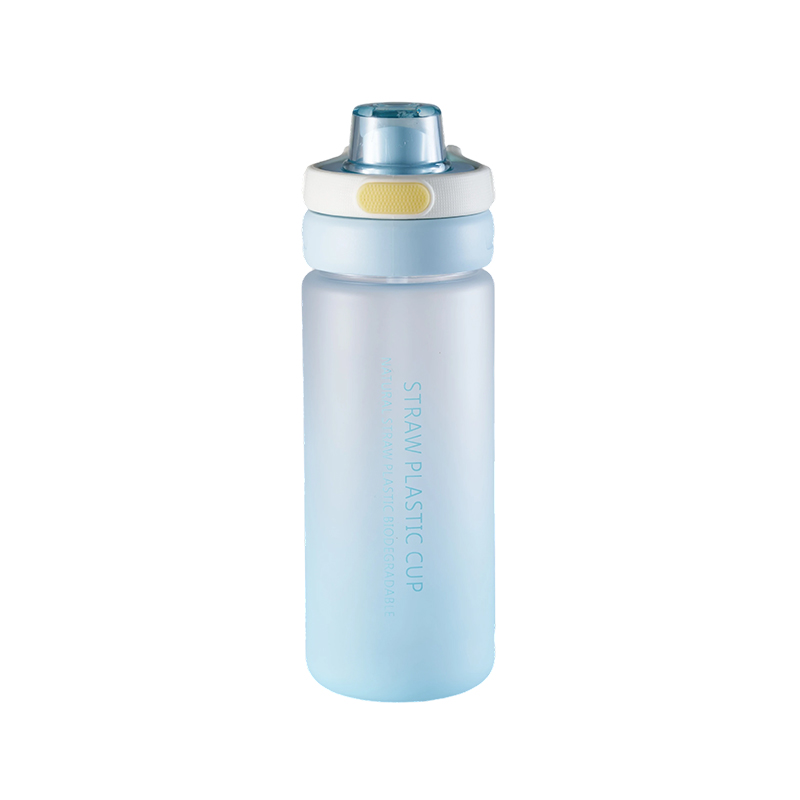
Cleaning Tips for Cups With Lids And Straws and Clear Water Bottles
Proper cleaning reduces bacterial growth and maintains durability. Consider these steps:
- Daily Cleaning: Focus on caps, straws, and sealing rings, which often trap moisture and bacteria.
- Gentle Scrubbing: Avoid abrasive brushes or steel wool, which can scratch the bottle’s surface. Use soft cloths or bottle brushes with mild detergent.
- Rinsing and Drying: Remove all soap residue and air-dry bottles upside down to prevent moisture accumulation.
| Bottle Type | Recommended Cleaning Method | Common Mistakes to Avoid | Frequency |
| Cups With Lids And Straws | Soft brush for straw, mild detergent | Steel wool, harsh scrubbing | Daily |
| Clear Water Bottle | Bottle brush, soft cloth, neutral soap | Leaving water overnight, neglecting cap | Daily |
| BPA Free Clear Water Bottle | Gentle wash, rinse thoroughly, air-dry | Hot liquids for long periods, acidic drinks | Daily/Weekly check |
Usage Practices for Clear Water Bottles and BPA Free Options
Even durable BPA Free Clear Water Bottles should avoid prolonged storage of hot or acidic beverages. Cups With Lids And Straws are ideal for cold or room-temperature liquids but still require consistent cleaning.
Clear bottles are especially practical in workplaces where liquid levels need monitoring. Daily rinsing and periodic deep cleaning of caps, lids, and straws are essential.
In a factory or warehouse environment, employees may refill water bottles multiple times per shift. Clear bottles allow supervisors or users to quickly identify when cleaning is needed, helping maintain safe drinking standards.
Long-Term Maintenance Tips
Simple maintenance habits prolong bottle lifespan and preserve hygiene:
- Rotate Bottles: Allow thorough drying between uses.
- Avoid Sunlight Exposure: UV rays can degrade plastics over time.
- Check Seals: Inspect caps and sealing rings regularly for cracks or wear.
- Proper Storage: Store bottles upright and uncapped during drying to prevent moisture accumulation.
| Maintenance Aspect | Cups With Lids And Straws | Clear Water Bottle | BPA Free Clear Water Bottle |
| Daily Washing | Yes | Yes | Yes |
| Deep Cleaning | Weekly | Weekly | Weekly |
| Hot Beverages | Avoid prolonged storage | Limited | Minimal exposure |
| Acidic Drinks | Avoid prolonged storage | Avoid | Occasional safe use |
| Storage Tips | Upright, open | Upright, open | Upright, open |
Addressing Common User Concerns
- Bacterial Growth: Even plain water can develop bacteria if caps, straws, and sealing rings are not cleaned. Daily cleaning is crucial.
- Safety of BPA Free Clear Water Bottles: These bottles reduce chemical leaching but should still avoid prolonged exposure to high heat or acidic drinks.
- When to Replace a Bottle: Look for scratches, discoloration, odors, or worn seals as indicators it may be time for a replacement.
A gym user notices a slight smell in their bottle despite daily rinsing. Inspecting the straw and cap reveals a buildup of residue. Deep cleaning or replacement resolves the issue, ensuring safe hydration.
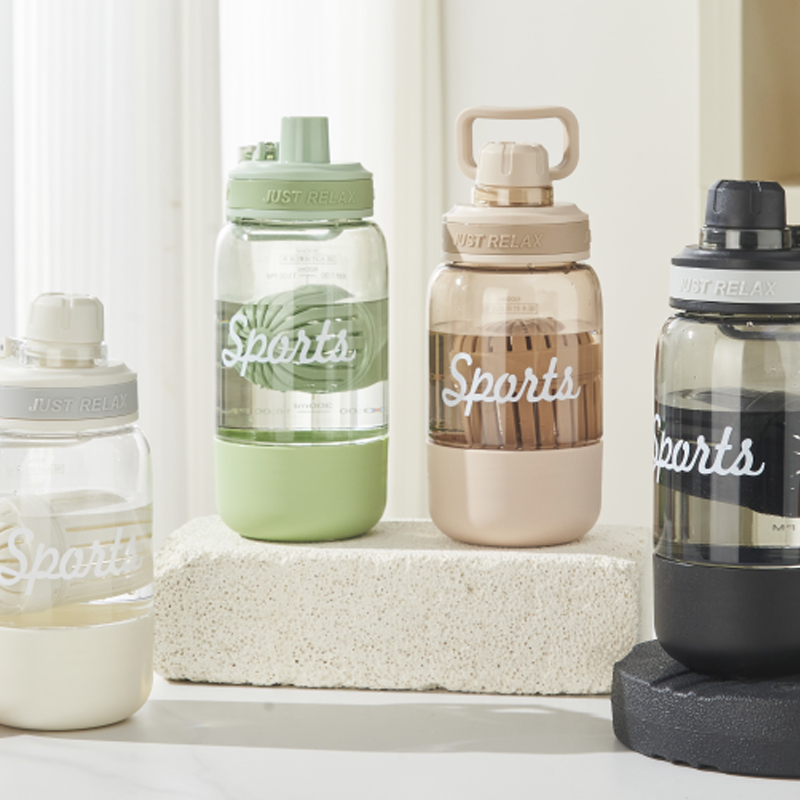
Recommended Cleaning Schedule
Creating a simple cleaning schedule ensures bottles remain safe and hygienic:
| Day of the Week | Task |
| Monday | Rinse and wash all bottles, including straws and lids |
| Wednesday | Deep clean caps and sealing rings |
| Friday | Inspect for scratches, discoloration, or odor |
| Sunday | Air-dry bottles fully and rotate usage if multiple bottles are owned |
This schedule helps users avoid bacterial buildup and maintain the material integrity of bottles, particularly for Cups With Lids And Straws and BPA-free clear water bottles.
Conclusion: Maintaining Healthy Hydration
Cups With Lids And Straws, Clear Water Bottles, and BPA Free Clear Water Bottles provide practical, safe hydration solutions when properly maintained. Following cleaning routines, inspecting seals, and using gentle care prolongs their lifespan and keeps drinking experiences safe.
Daily maintenance, periodic deep cleaning, and mindful storage habits help ensure bottles remain functional and hygienic for years. By adopting these practices, offices, gyms, and individuals can rely on reusable bottles for consistent, safe hydration.
Reusable Cups With Lids And Straws, Clear Water Bottles, and BPA Free Clear Water Bottles are reliable hydration solutions when used and maintained correctly. Consistent cleaning of lids, straws, and seals, combined with gentle washing and proper drying, helps prevent bacterial growth and material degradation. By adopting simple daily habits, regular inspections, and mindful usage practices, users can extend the lifespan of their bottles while ensuring a safe, fresh, and hygienic drinking experience in offices, gyms, and everyday life.
-
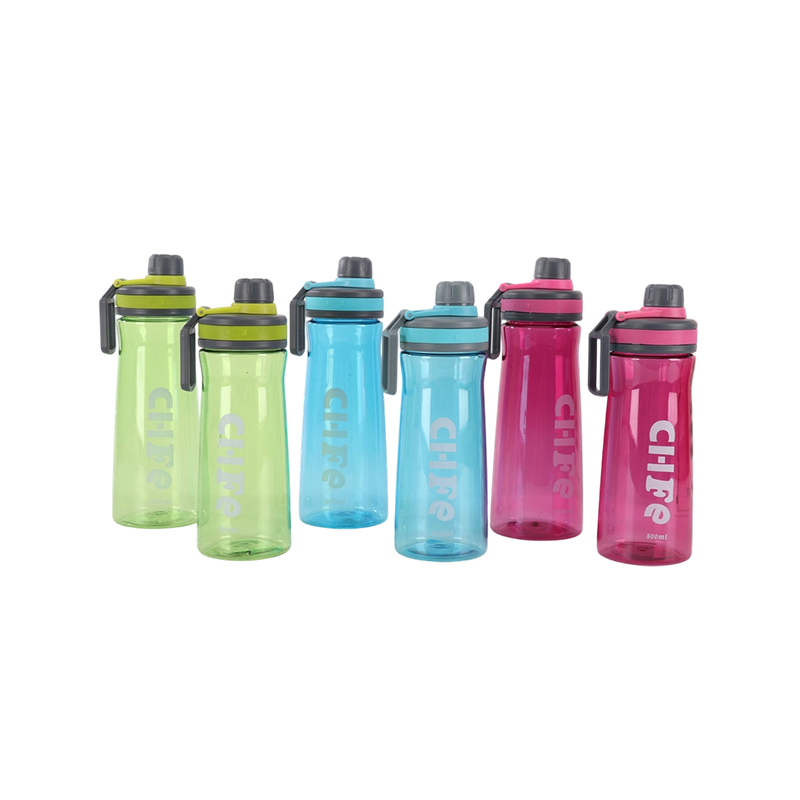 800ml Large Capacity Leakproof Outdoor Sports Water Bottle
-
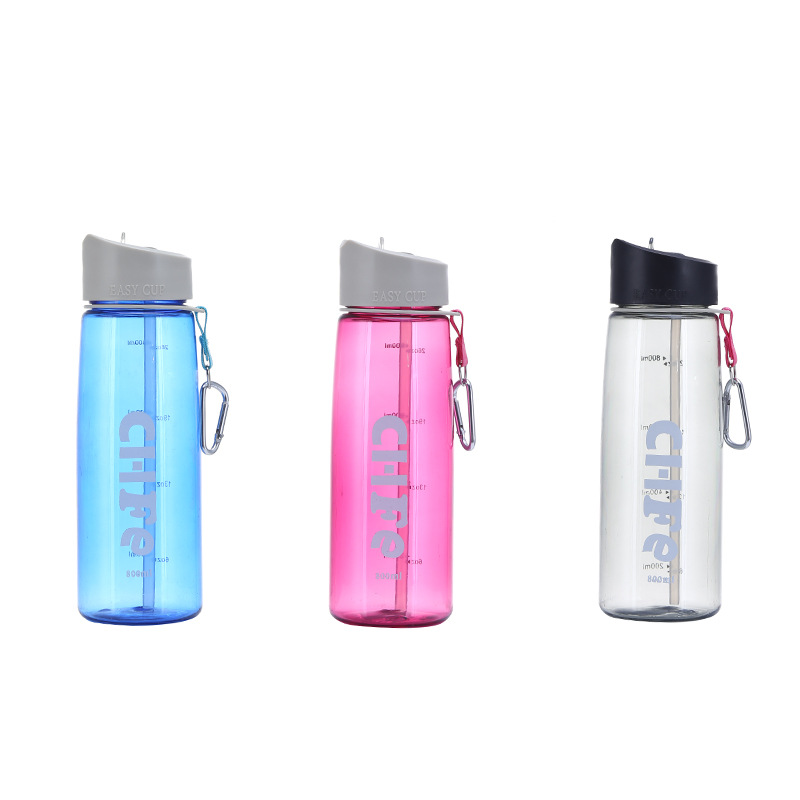 Large Capacity Transparent Portable Plastic Water Bottle
-
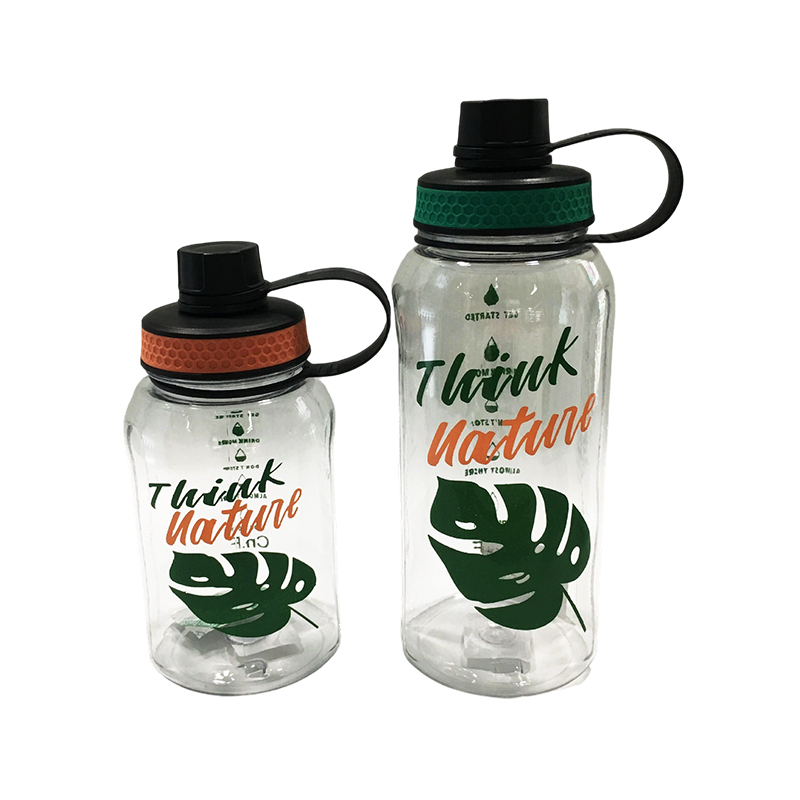 Think Natural Drinking Water Bottle For Outdoor Sports
-
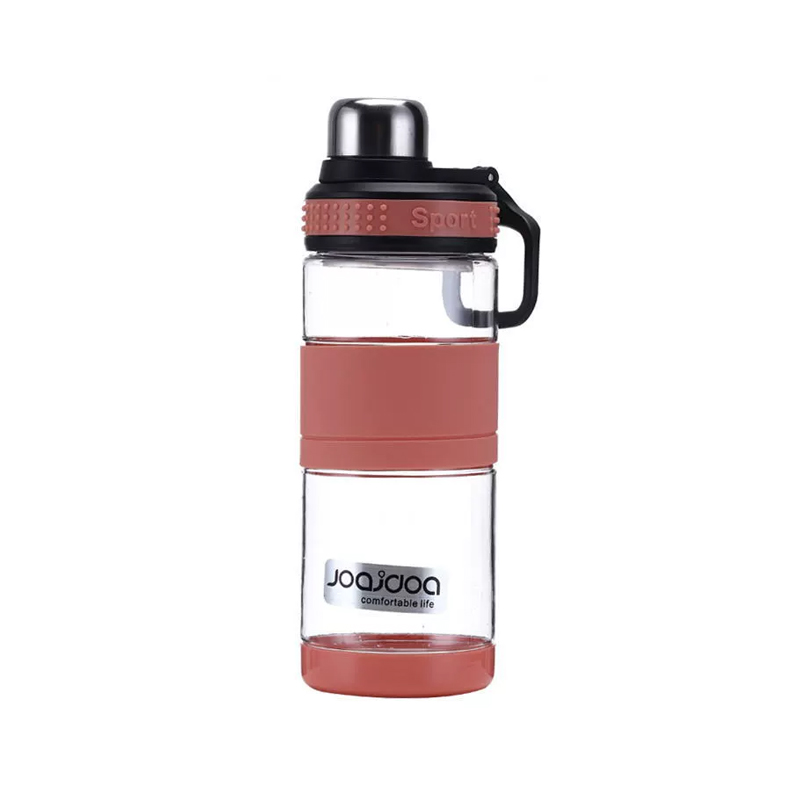 BPA Free Sports Water Bottle With One Touch Lid
-
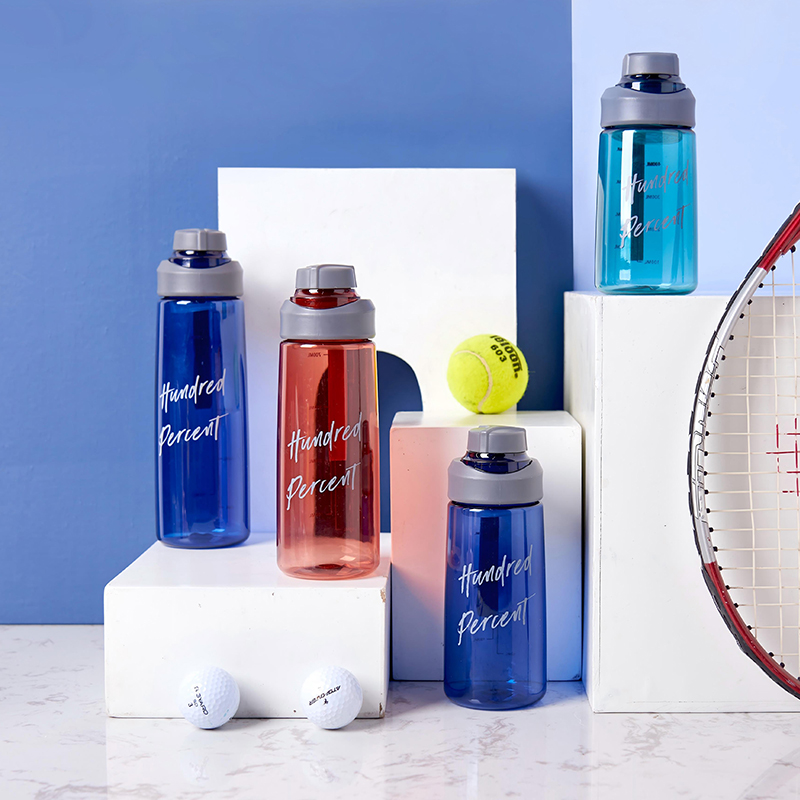 Simple Graduated Transparent Water Carafe Sports Bottle
-
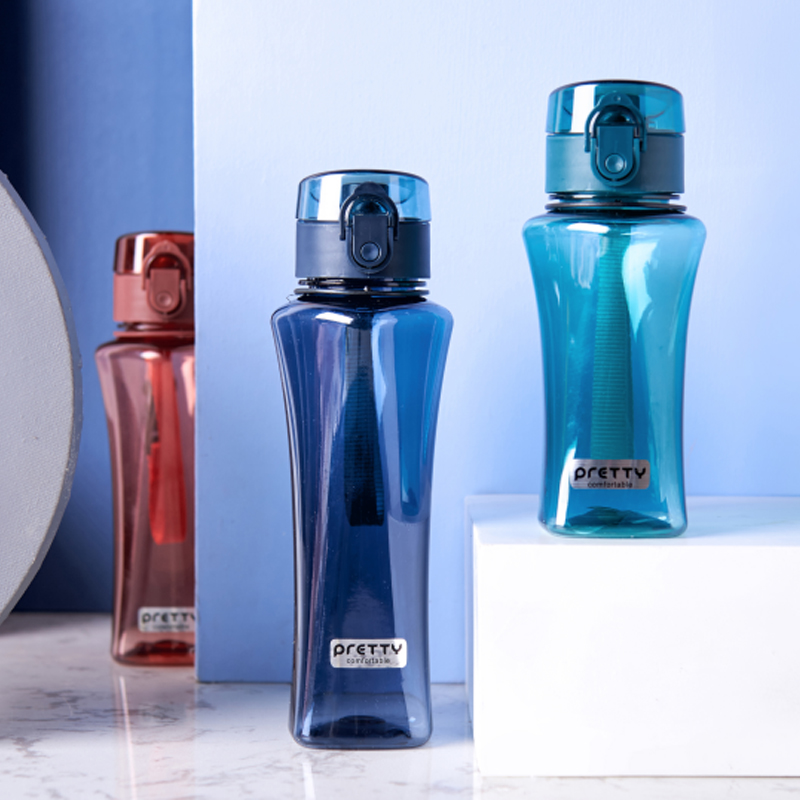 Outdoor Leak-proof Drop-proof Portable Sports Water Bottle
-
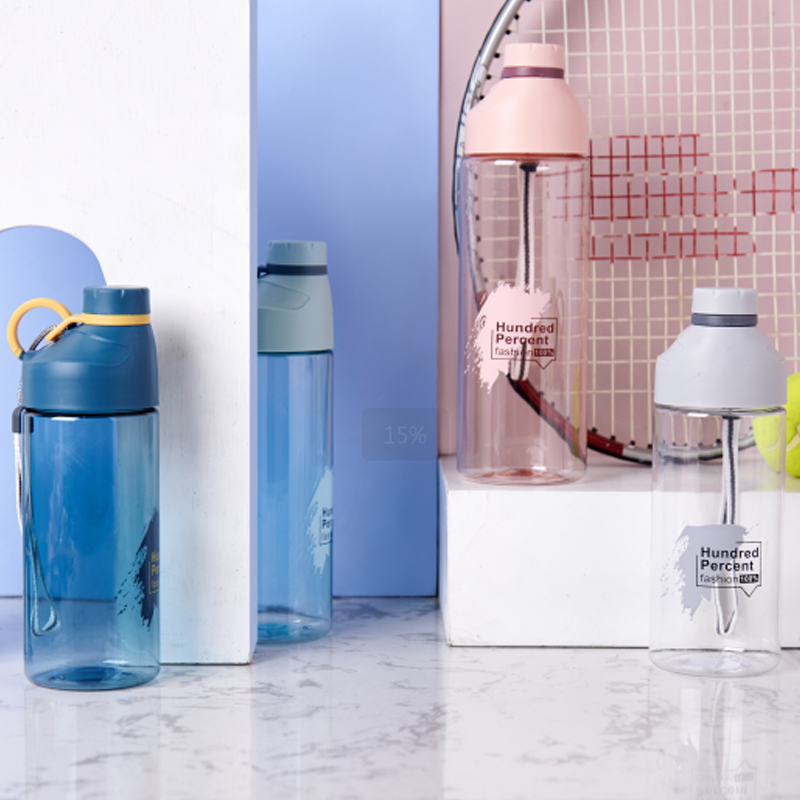 Direct Drinking Sports Water Bottle Plastic Cup for Running Fitness
-
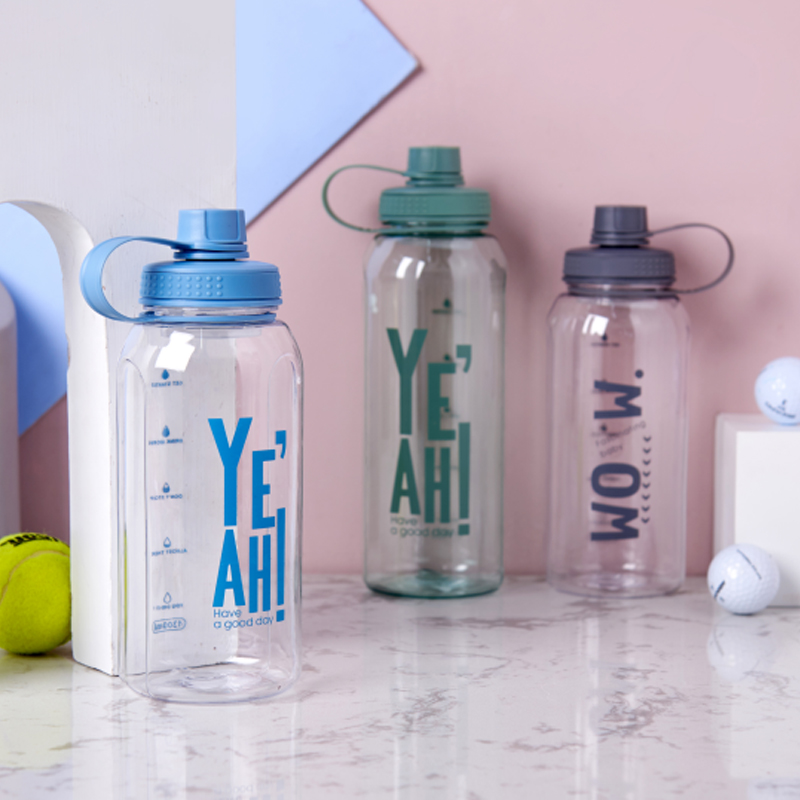 BPA-Free Transparent Large Capacity Plastic Sports Water Bottle
Start a Project? [email protected]


