
 中文简体
中文简体

Can Plastic Space Cups Meet BPA-free Drinking Standards?
Product Role in the Beverage Container Market
Plastic drinking products are widely used across household, office, and light commercial environments. Plastic Space Cups are designed to support repeated daily use with a focus on structural stability and functional simplicity. Their shape and capacity options allow them to fit into different drinking habits without complex handling requirements.
A Plastic Space Cups Factory usually organizes production lines to handle multiple cup formats within the same facility. This allows consistent output while supporting different product configurations for varied usage contexts.
Material Composition and Design Approach
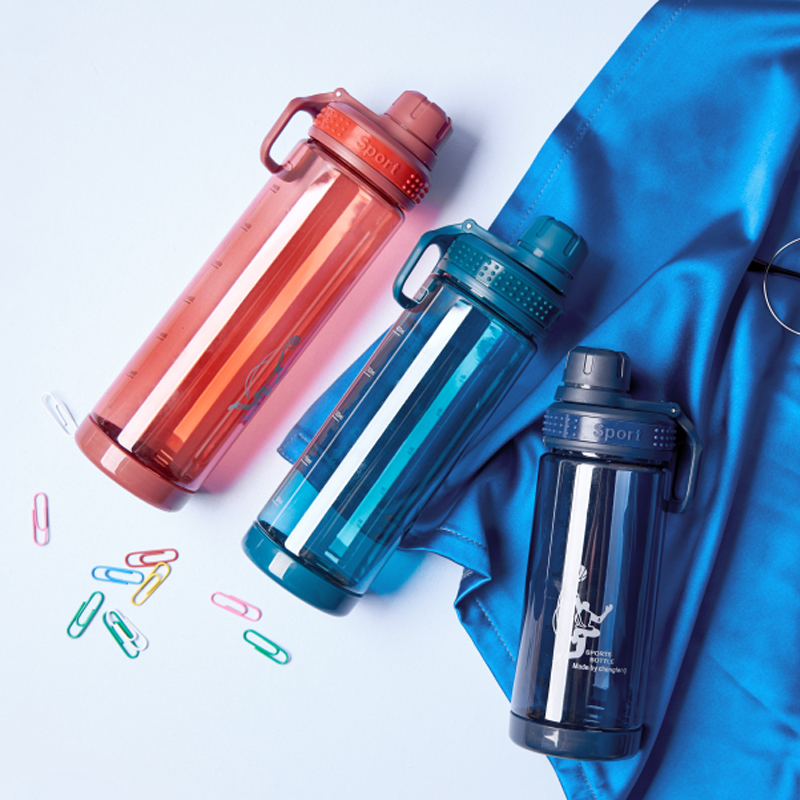
Material selection plays a central role in product behavior. Common materials include Tritan, PP, and PC, each offering different mechanical and visual characteristics. Tritan is used for clarity and durability, PP for flexibility and thermal stability, and PC for structural rigidity.
Within this framework, Plastic Space Cups are developed with attention to grip comfort and lid compatibility. The design process often includes considerations for straw integration and drinking spout configurations, depending on usage requirements.
A Plastic Space Cups Factory typically evaluates raw materials before production begins, ensuring consistency in transparency, hardness, and molding behavior across batches.
Production Process and Operational Structure
Manufacturing involves injection molding, cooling cycles, trimming, and assembly stages. Each stage contributes to forming a consistent final structure with controlled dimensional accuracy.
The Plastic Space Cups Factory uses automated molding systems to stabilize output across high-volume production. This reduces variation between batches and supports repeatable product quality during long production runs.
During production, Plastic Space Cups pass through assembly steps where lids, seals, and optional accessories are fitted according to specification requirements.
Customization and Functional Expansion
Customization has become an important part of product development. Options include color variation, surface printing, lid design modification, and accessory integration, such as straws or leak-resistant structures.
A Plastic Space Cups Factory often maintains multiple production setups to handle different customization requests without interrupting core manufacturing flow. This supports flexible order handling for different application needs.
In many cases, Plastic Space Cups are configured for branding purposes, allowing surface printing or pattern application that aligns with market positioning or institutional identity.
Quality Control and Production Consistency
Quality control is integrated into multiple stages of production. Inspection points typically include structural integrity, sealing performance, and surface finishing consistency.
The Plastic Space Cups Factory applies batch sampling and inline inspection systems to maintain stable output. These checks help identify deviations early in the production cycle and reduce inconsistencies in final delivery.
Material traceability is also part of the system, allowing tracking of raw material batches used in each production run.
Market Position and Product Development Direction
Plastic drinking products continue to evolve with changing user expectations around design and functionality. Plastic Space Cups represent a category that combines simple structure with adaptable configuration options.
A Plastic Space Cups Factory continues to refine production systems to support material stability, customization flexibility, and scalable manufacturing output. These elements together support a wide range of application needs across different usage environments.
-
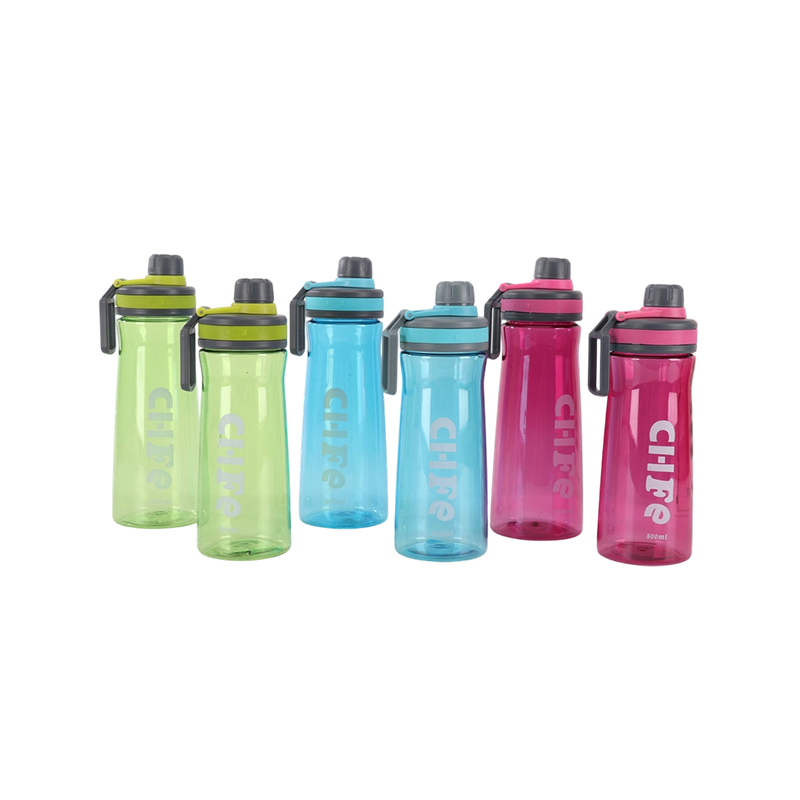 800ml Large Capacity Leakproof Outdoor Sports Water Bottle
-
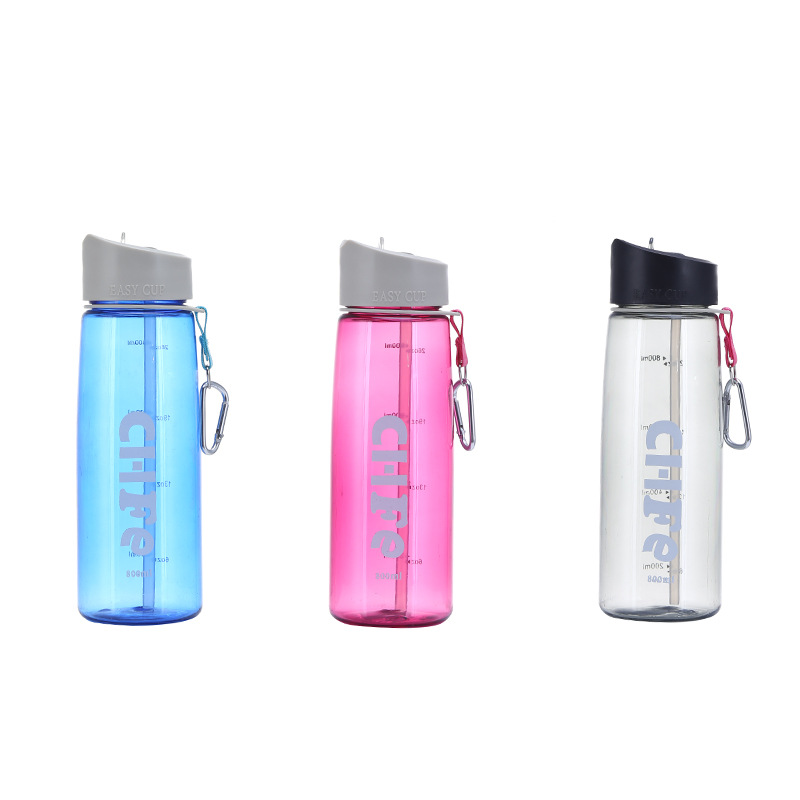 Large Capacity Transparent Portable Plastic Water Bottle
-
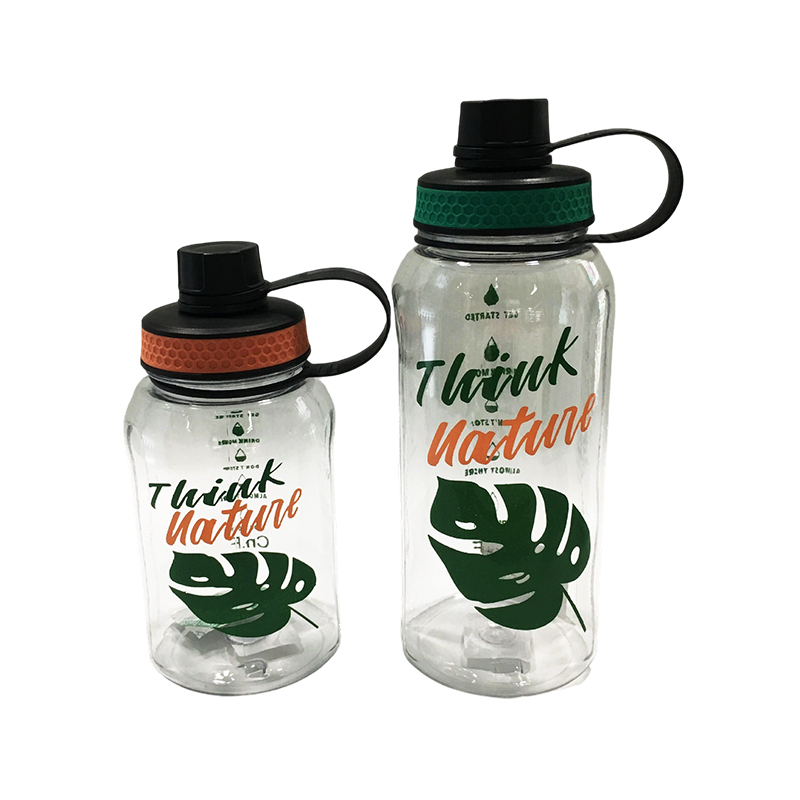 Think Natural Drinking Water Bottle For Outdoor Sports
-
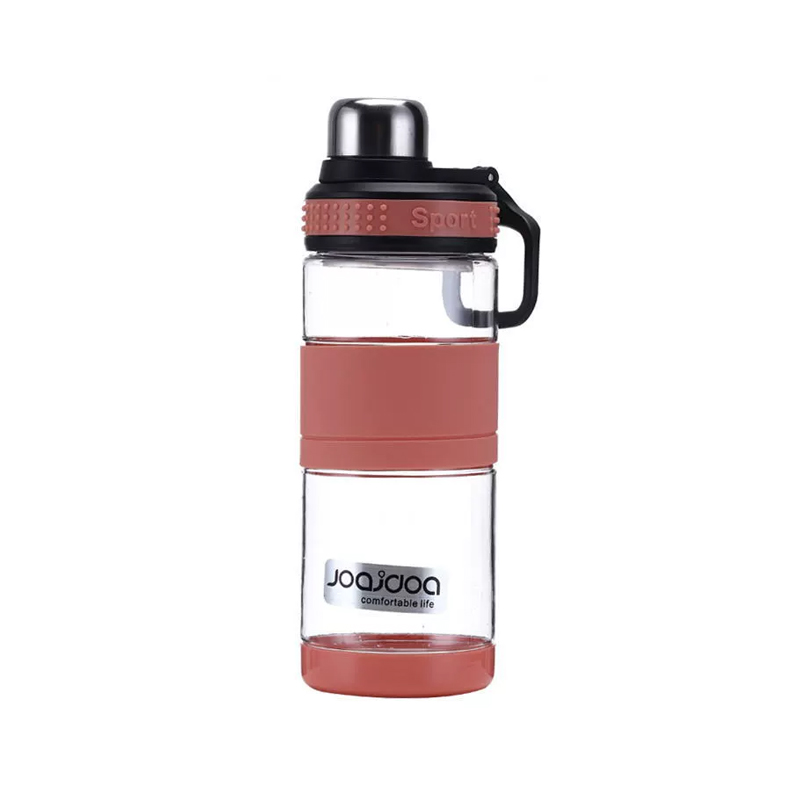 BPA Free Sports Water Bottle With One Touch Lid
-
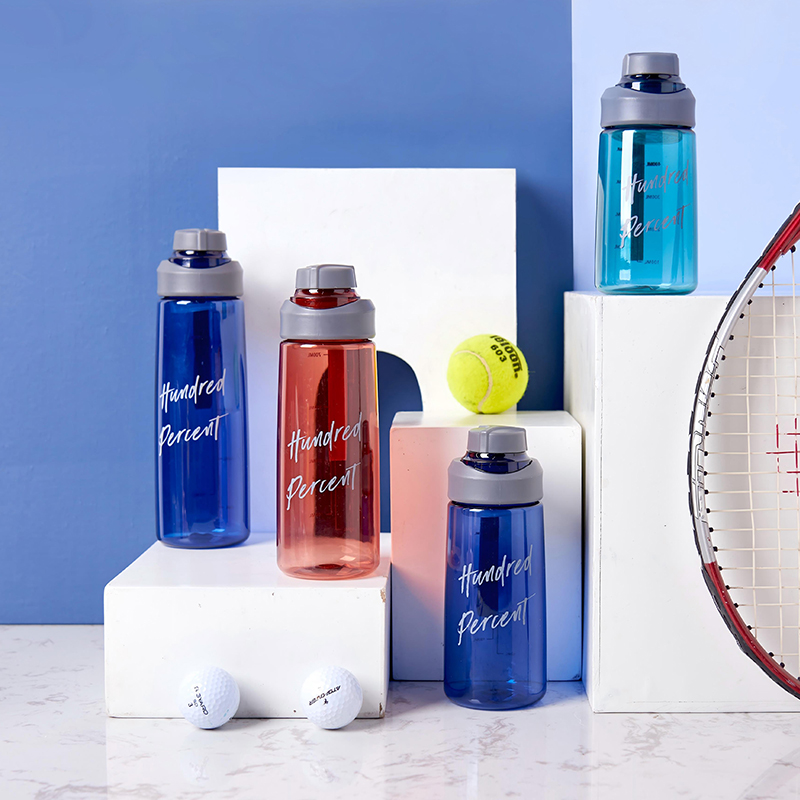 Simple Graduated Transparent Water Carafe Sports Bottle
-
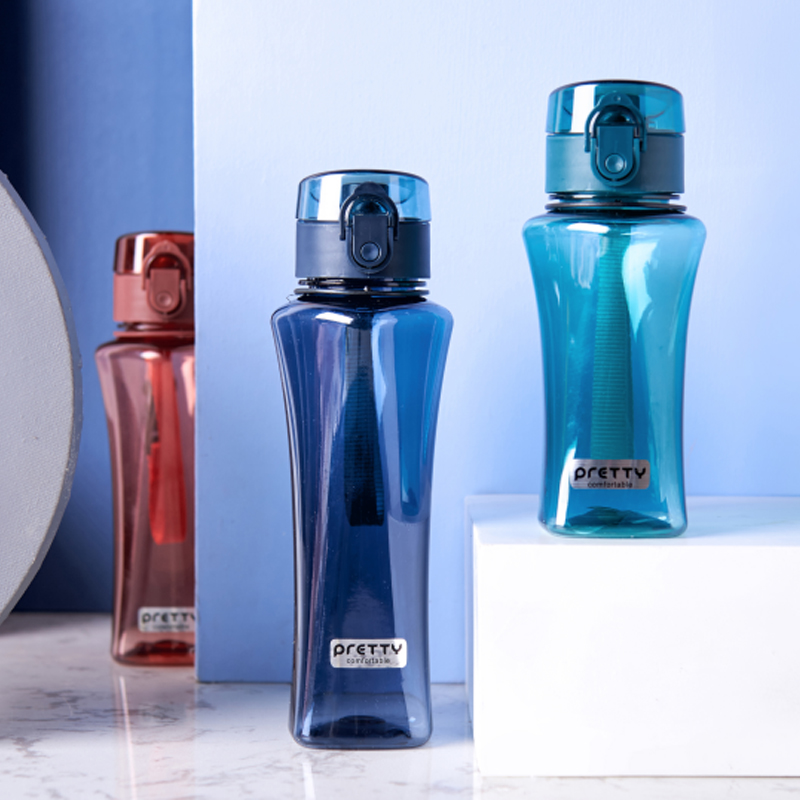 Outdoor Leak-proof Drop-proof Portable Sports Water Bottle
-
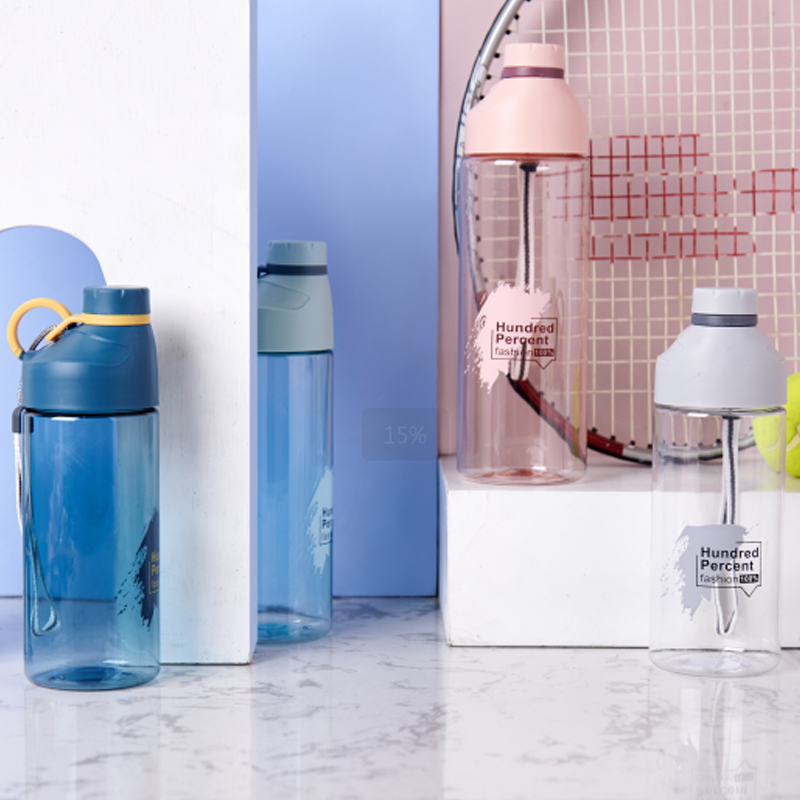 Direct Drinking Sports Water Bottle Plastic Cup for Running Fitness
-
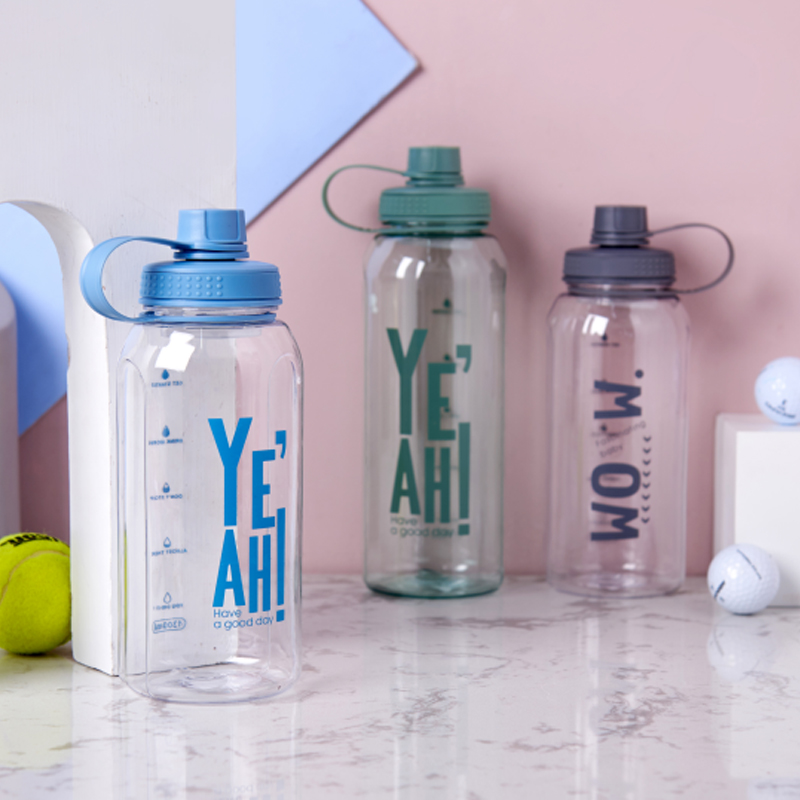 BPA-Free Transparent Large Capacity Plastic Sports Water Bottle
Start a Project? [email protected]


