
 中文简体
中文简体

How Do Plastic Water Bottle Balance Quality, Cost, And Practical Use?
Plastic containers are an essential part of modern life, used across households, restaurants, offices, and industrial settings. Among the most common products are Plastic Drinking Cupes, plastic water jugs, and wide mouth plastic bottles. Understanding their materials, manufacturing methods, practical features, and maintenance helps both businesses and users make informed decisions that balance cost, durability, and usability.
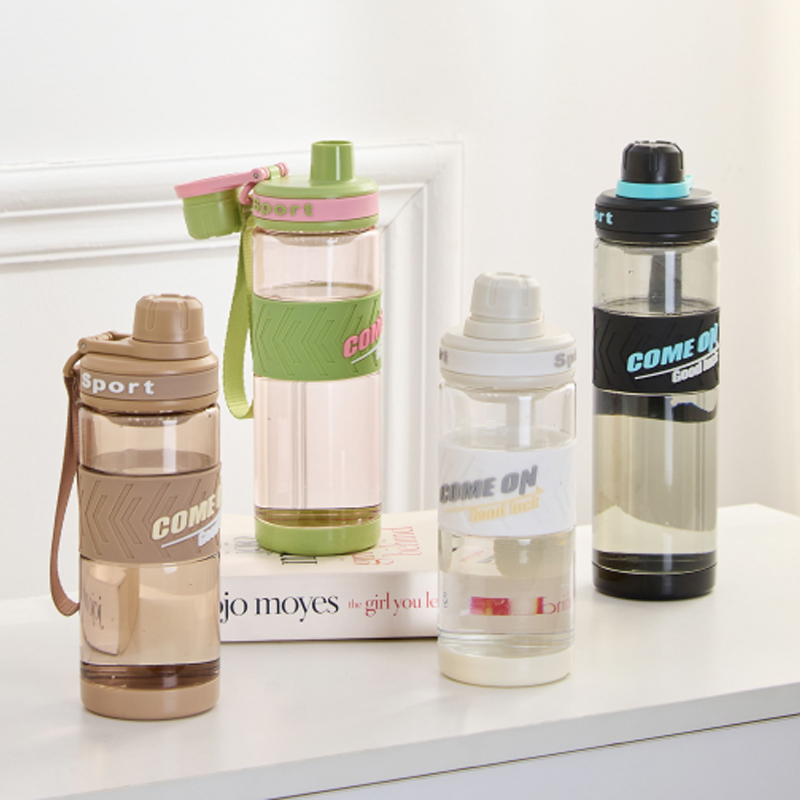
What Materials Are Used in Plastic Drinking Cup Production Today?
Plastic Drinking Cupes are typically made from polypropylene (PP), polyethylene terephthalate (PET), and polystyrene (PS). Each material offers distinct properties suitable for different applications:
| Material | Key Features | Typical Use | Durability |
| PET | Transparent, lightweight, recyclable | Cold beverages, promotional events | High impact resistance |
| PP | Heat-resistant, flexible | Hot beverages, reusable | Medium to high |
| PS | Rigid, cost-effective | Disposable | Medium |
Material selection affects not only appearance and durability but also environmental impact and cost. PET is commonly used for its clarity and recyclability, making it ideal for cold drinks and high-visibility applications. PP is preferred when heat resistance is necessary, while PS is often used in disposable or promotional settings where cost is a primary concern.
For factories producing large volumes, PET and PP offer the best combination of cost-efficiency, durability, and consumer acceptance.
How Does Plastic Water Jug Manufacturing Affect Product Quality?
The quality of plastic water jugs is heavily influenced by the manufacturing process. Most jugs are produced using blow molding or injection molding, which ensures consistent wall thickness, smooth surfaces, and overall durability.
Key factors affecting quality include:
- Mold precision: Prevents leaks and maintains uniform shape
- Wall thickness: Ensures structural integrity under repeated use
- Surface finish: Smooth surfaces are easier to clean and reduce bacterial growth
Advanced factories often employ automated inspection systems, detecting micro-cracks, dimensional inconsistencies, or leaks. These systems improve efficiency, reduce waste, and ensure that bulk orders meet strict quality standards.
Request technical specifications like wall thickness, material grade, and food safety certification to ensure product reliability.
Why Choose a Wide Mouth Plastic Bottle for Everyday Use?
Wide-mouth plastic bottles are favored for convenience and versatility. Their larger openings allow users to:
- Add ice, fruit, or powdered supplements easily
- Thoroughly clean the interior
- Refill without spilling
Additional advantages include:
| Feature | Benefit |
| Large opening | Easy filling and cleaning |
| Durable walls | Long-term use without deformation |
| Optional measurement markings | Convenient portion control |
| Versatile caps | Compatibility with filters, spouts, or accessories |
Wide-mouth bottles are particularly useful in commercial settings, such as juice bars, cafes, or gyms, where speed and hygiene are critical. They are also well-suited for home use, simplifying beverage preparation and cleaning.
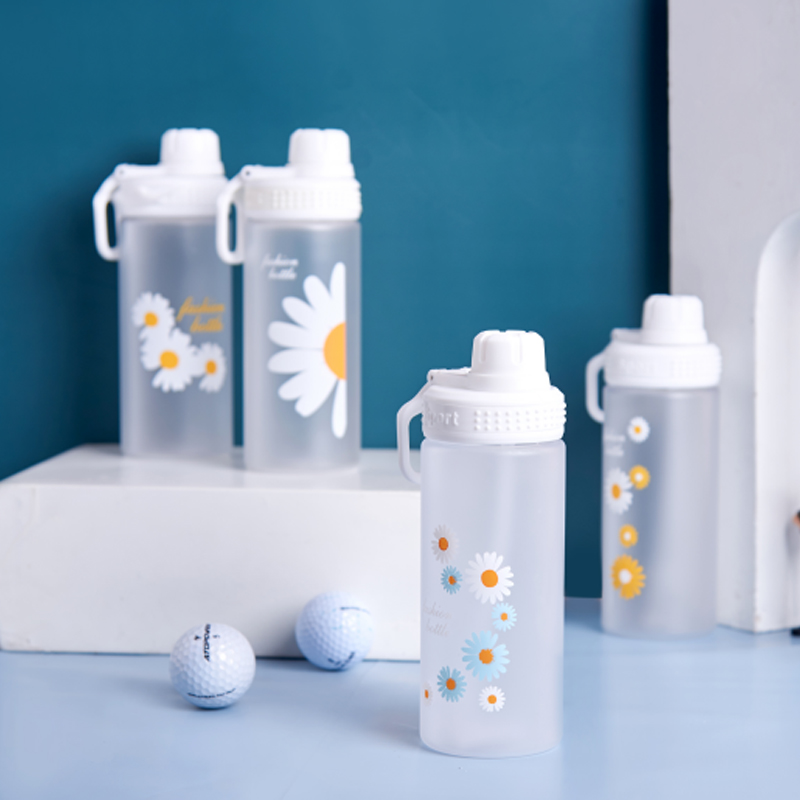
What Challenges Arise During Plastic Drinking Cup Manufacturing Process?
Producing Plastic Drinking Cupes involves managing multiple challenges:
- Maintaining clarity: Avoid haziness or cloudiness during molding
- Preventing warping: Controlled cooling is essential
- Smooth edges: For safe handling and stackability
- Material suitability: Avoid plastics that scratch easily or absorb odors
Temperature, pressure, and cooling rate control are critical to producing high-quality glasses. Many factories also integrate automated vision inspection systems to detect defects early, ensuring a low reject rate.
How Can Plastic Water Jug Manufacturing Improve Efficiency and Cost?
Efficiency improvements in plastic water jug manufacturing rely on advanced techniques and thoughtful planning:
| Strategy | Benefit |
| Multi-cavity molds | Produce multiple jugs per cycle |
| Lightweight design | Reduce raw material costs |
| Automation | Consistent quality, less labor |
| Optimized material selection | Balance durability and cost |
Efficiency is especially important in B2B production, where factories supply offices, restaurants, or distributors who require consistent product quality for bulk orders. Proper mold maintenance, careful material selection, and quality inspection also reduce waste and production delays.
What Makes Wide-Mouth Plastic Bottles Suitable for Liquid Storage?
Wide-mouth bottles are suitable for various liquids because they offer:
- Ease of cleaning: Access to the full interior for thorough washing
- Durability: Thick walls prevent deformation during handling
- Measurement features: Useful for recipes or industrial solutions
- Versatility: Can store smoothies, juices, or liquids with small particles
These features make them ideal for household, commercial, and industrial applications. For example, in a laboratory, wide mouth bottles allow precise measurement and easy mixing, while in a kitchen, they simplify beverage preparation and storage.
How Is Plastic Drinking Cup Design Influenced by Consumer Needs?
Plastic Drinking Cups must balance functionality, safety, and aesthetics:
- Ergonomics: Comfortable to hold and use
- Stackability: Space-saving storage for commercial and domestic use
- Aesthetic design: Colors, patterns, and branding opportunities
- Dishwasher durability: Resists warping and scratching over repeated washes
For factories, these design considerations are essential for both consumer satisfaction and B2B bulk orders, where durability and consistency are crucial.
What Innovations Are Emerging in Plastic Water Jug Manufacturing?
Modern innovations focus on sustainability, usability, and production efficiency:
- BPA-free and food-grade plastics for safe consumption
- Lightweight, recyclable materials reduce shipping costs and environmental impact
- Ergonomic handles and built-in filters improve usability
- Modular and stackable designs simplify storage and logistics
These innovations appeal to B2B buyers seeking long-lasting, low-maintenance solutions for offices, restaurants, gyms, and other commercial environments.
How to Select the Right Wide-Mouth Plastic Bottle for Applications?
Choosing the appropriate wide-mouth plastic bottle depends on usage scenarios:
| Factor | Consideration |
| Material | PET or PP for beverages; chemical-resistant plastics for labs |
| Capacity | Personal use vs. commercial or industrial volumes |
| Cap type | Screw, flip-top, or spout for convenience |
| Additional features | Filters, measurements, handles |
Selecting the right bottle ensures compatibility with the liquid, prevents leaks, and maintains hygiene. B2B buyers should also consider durability and ease of cleaning, especially for repeated use in commercial settings.
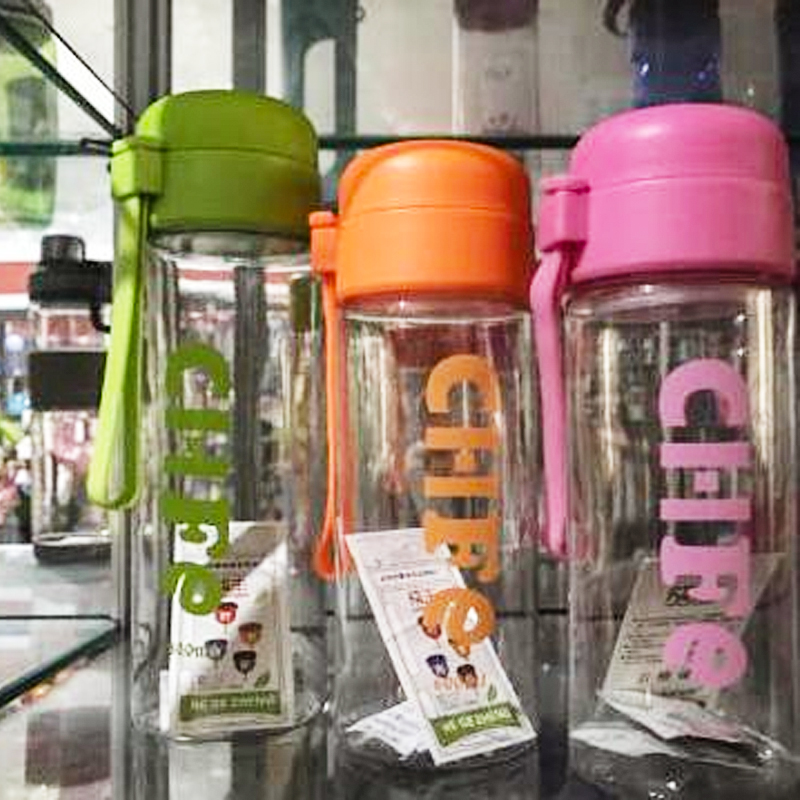
What Environmental Factors Affect Plastic Drinking Cup Longevity?
Several environmental factors can influence Plastic Drinking Cup lifespan:
- UV exposure: Can cause discoloration and brittleness
- High temperatures: May deform some plastics
- Abrasive cleaning agents: Can damage surface finish
Maintenance tips:
- Store glasses away from direct sunlight
- Avoid harsh detergents or abrasive scrubbers
- Inspect regularly for scratches or cracks
Proper care extends the product's usability and maintains both performance and appearance.
For factories producing plastic containers, key considerations include:
- Material selection: Balancing cost, durability, and consumer safety
- Mold design: Ensuring efficient production and low defect rates
- Automation and inspection: Reducing labor and maintaining consistent quality
- Packaging: Preventing damage during storage and shipping
For B2B buyers, important factors are:
- Bulk order pricing and delivery reliability
- Product consistency for large-scale applications
- Shipping and storage efficiency
- Compliance with food safety and regulatory standards
| Product Type | Bulk Production Tip | B2B Consideration |
| Plastic Drinking Cup | Multi-cavity molds | Maintain clarity and shape consistency |
| Plastic Water Jug | Lightweight, durable | Inspect wall thickness for reliability |
| Wide Mouth Bottle | Modular stackable design | Ensure compatible caps and optional filters |
Plastic containers like drinking glasses, water jugs, and wide mouth bottles are designed to balance usability, durability, and cost. Understanding materials, manufacturing processes, practical features, and maintenance helps both businesses and consumers make informed choices for everyday and commercial use.
-
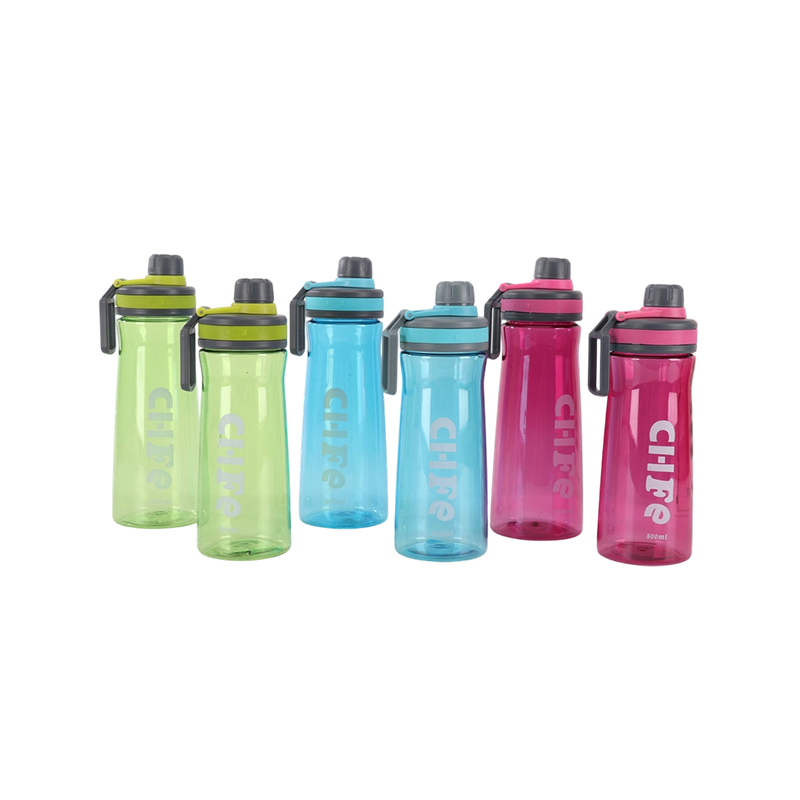 800ml Large Capacity Leakproof Outdoor Sports Water Bottle
-
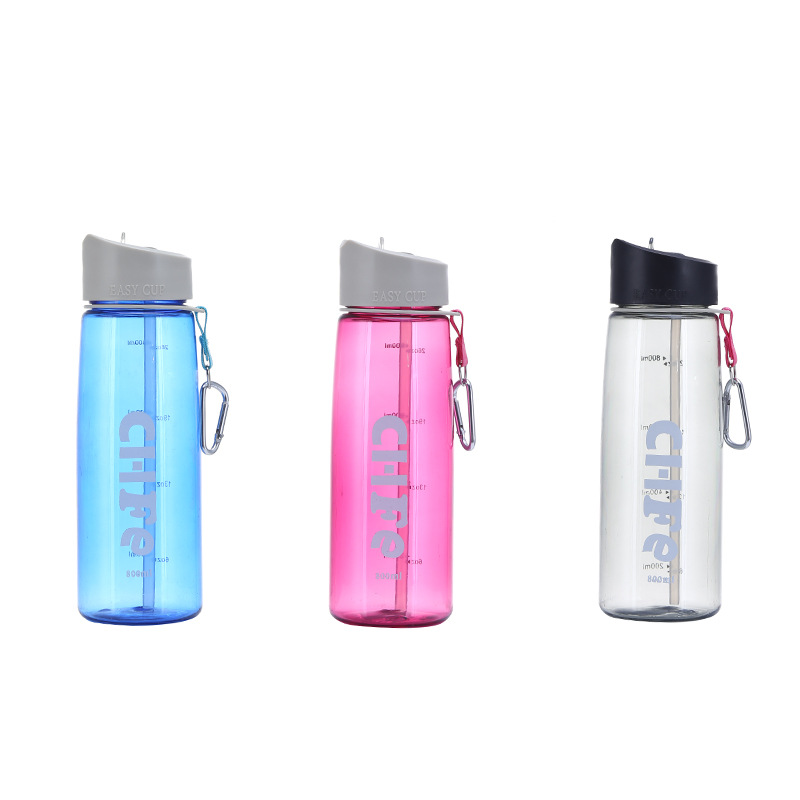 Large Capacity Transparent Portable Plastic Water Bottle
-
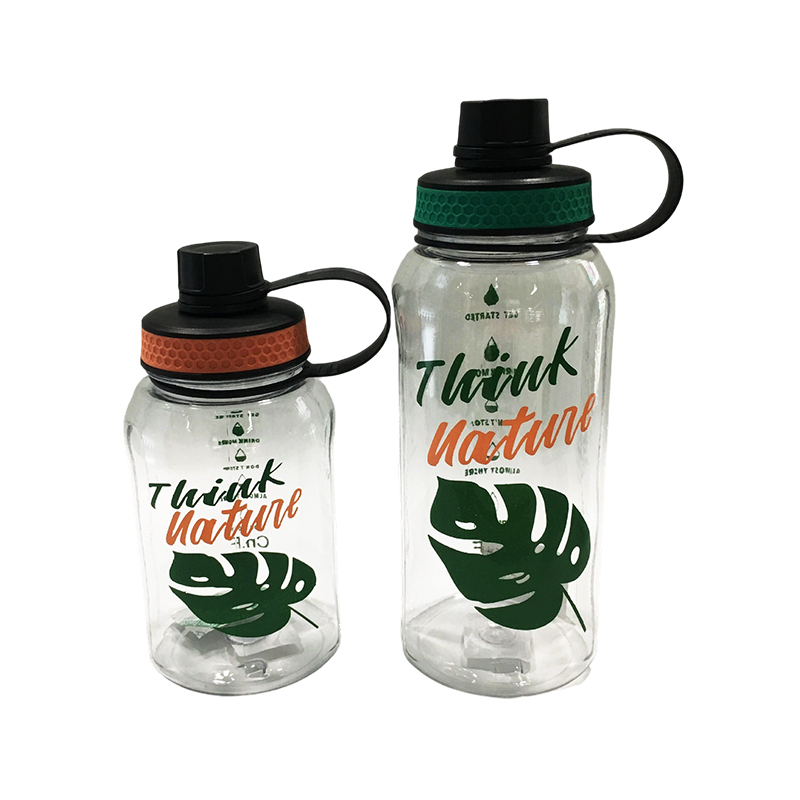 Think Natural Drinking Water Bottle For Outdoor Sports
-
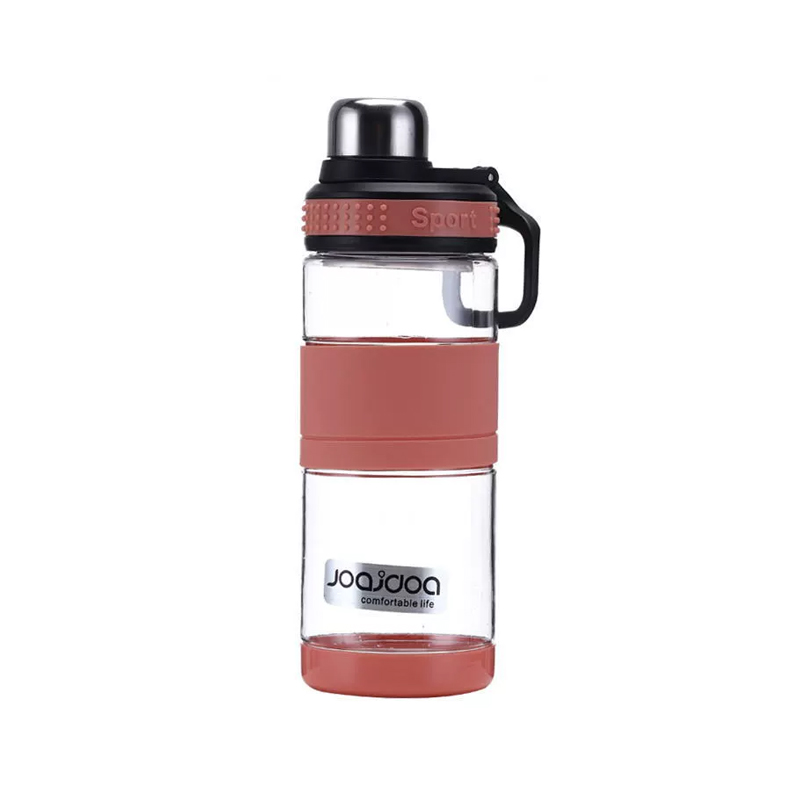 BPA Free Sports Water Bottle With One Touch Lid
-
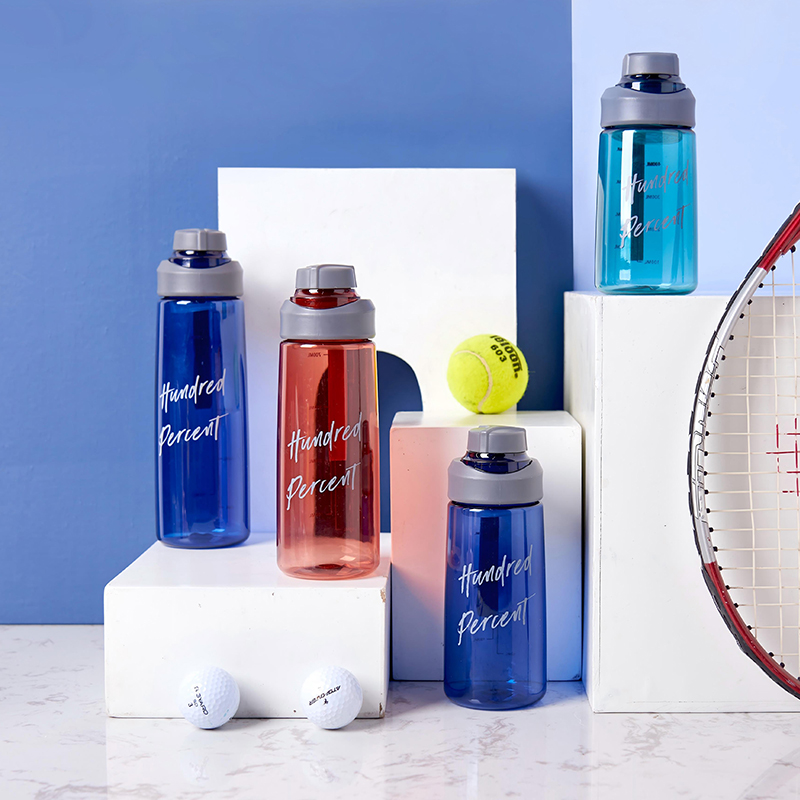 Simple Graduated Transparent Water Carafe Sports Bottle
-
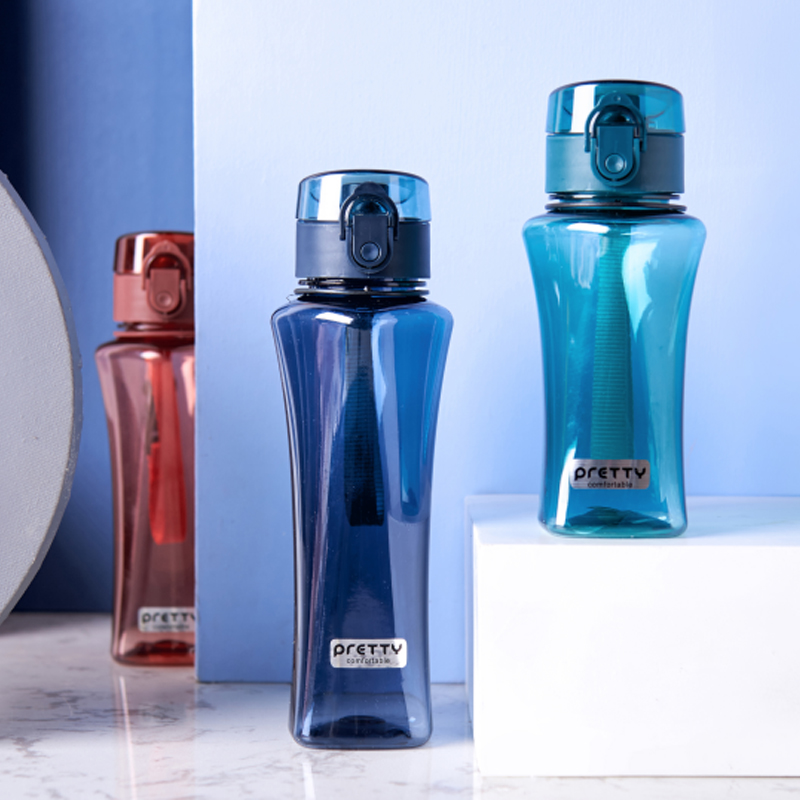 Outdoor Leak-proof Drop-proof Portable Sports Water Bottle
-
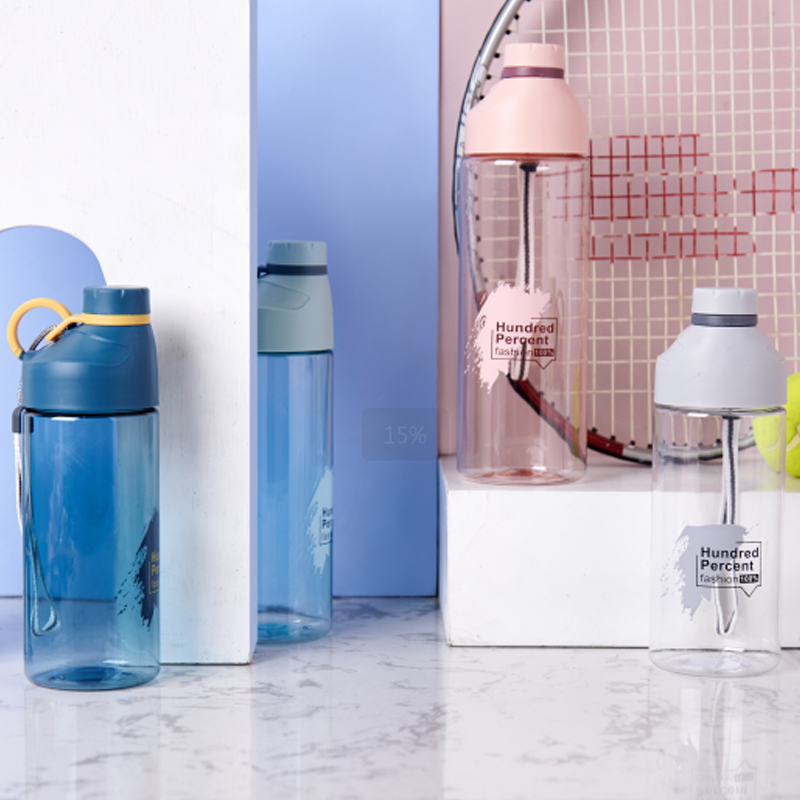 Direct Drinking Sports Water Bottle Plastic Cup for Running Fitness
-
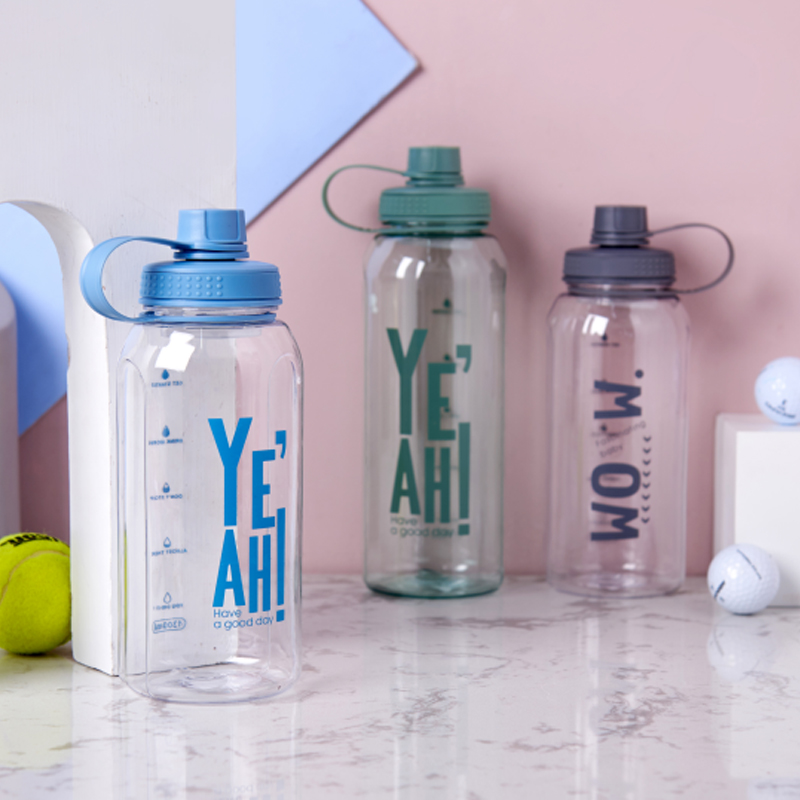 BPA-Free Transparent Large Capacity Plastic Sports Water Bottle
Start a Project? [email protected]


