
 中文简体
中文简体

Why Are Modern Simple Creative Water Bottles Trending?
Modern hydration products are no longer just containers. Design, portability, and durability now shape purchasing decisions across retail, school supply channels, and lifestyle brands.
Modern hydration products are no longer just containers. Design, portability, and durability now shape purchasing decisions across retail, school supply channels, and lifestyle brands. Modern Simple Creative Water Bottles reflect this shift by combining clean aesthetics with practical features that fit daily routines.
Why Design Matters in Modern Hydration Products
Visual simplicity often signals usability. Smooth lines, matte finishes, and ergonomic curves make bottles easier to grip and carry. Modern Simple Creative Water Bottles focus on balanced proportions and lightweight structures without unnecessary decoration.
Consumers today look for:
- Easy one-hand operation
- Leak-resistant lids
- Portable sizes that fit backpacks and car cup holders
- Surfaces that resist scratches and fingerprints
A clean appearance also improves brand customization opportunities. Logos, printed graphics, or color matching can be applied without visual clutter.
Functional Structures That Solve Real Problems
Hydration products must address everyday pain points. Spills inside school bags, difficulty cleaning narrow necks, and odor retention are common complaints.
Direct Drinking Spout Designs
Direct drinking bottles reduce contact between hands and the mouthpiece, improving hygiene. Many designs include dust-proof caps or integrated straw systems.
Pop-Top Lids for One-Hand Operation
Pop-top lids open with a press button, allowing fast access during sports or cycling. Silicone seals or reinforced gaskets help prevent leakage when stored in bags. Anti-slip textures improve grip during movement.
These structural details may appear small, but they significantly influence user satisfaction and product return rates.
Size Variations for Different Usage Scenarios
Capacity impacts portability and usability. Typical size ranges include:
- 300ml for younger students
- 400–600ml for daily commuting
- 700ml for outdoor or gym use
Measurement markings on the bottle body help users track water intake. Handles or straps enhance portability for children or outdoor enthusiasts.
A Modern Simple Creative Water Bottles Manufacturer typically develops multiple molds to support these variations, enabling private label flexibility.
Practical Lid Structures for Active Use
One of the main user concerns is leakage. School bags, gym backpacks, and travel luggage require reliable sealing performance.
Direct drinking spout designs reduce hand contact with the mouthpiece. Many models include dust-proof caps or integrated straw systems, improving hygiene during outdoor activities or school use.
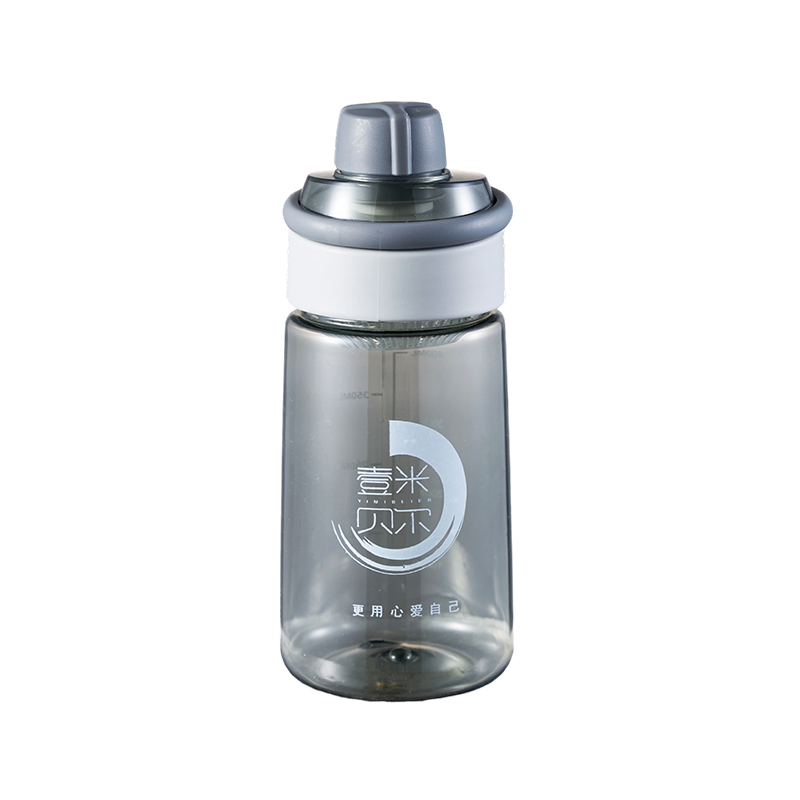
Pop-top lids offer one-hand operation, which is useful during cycling, workouts, or commuting. Silicone sealing rings enhance leak resistance and help maintain internal pressure stability. These structural details reduce after-sales issues and improve product reputation.
For student-focused models, smooth edges and lightweight materials improve daily usability. Measurement scales printed on the bottle body encourage consistent hydration habits.
Material Selection and Durability
Material choice determines weight, clarity, and long-term usability.
Tritan is odor-resistant and maintains clarity after repeated washing. Stainless steel structures offer higher durability for sports or outdoor use. BPA-free plastics support reusable and recyclable applications.
Users should follow temperature recommendations provided by the manufacturer when filling bottles with hot liquids.
From a manufacturing perspective, consistent raw material sourcing and stable injection molding parameters influence wall thickness uniformity and sealing compatibility.
Application Scenarios and Market Fit
Modern Simple Creative Water Bottles serve multiple daily scenarios without requiring complex modifications.
For students, lightweight 300–600ml models fit easily into school bags. For commuters, 500–700ml bottles balance capacity with portability. Outdoor users prefer secure lids and ergonomic grips.
Reusable bottle adoption continues to grow in offices, gyms, and educational environments. Simple design makes these bottles suitable for promotional projects, retail distribution, and branded merchandise programs.
-
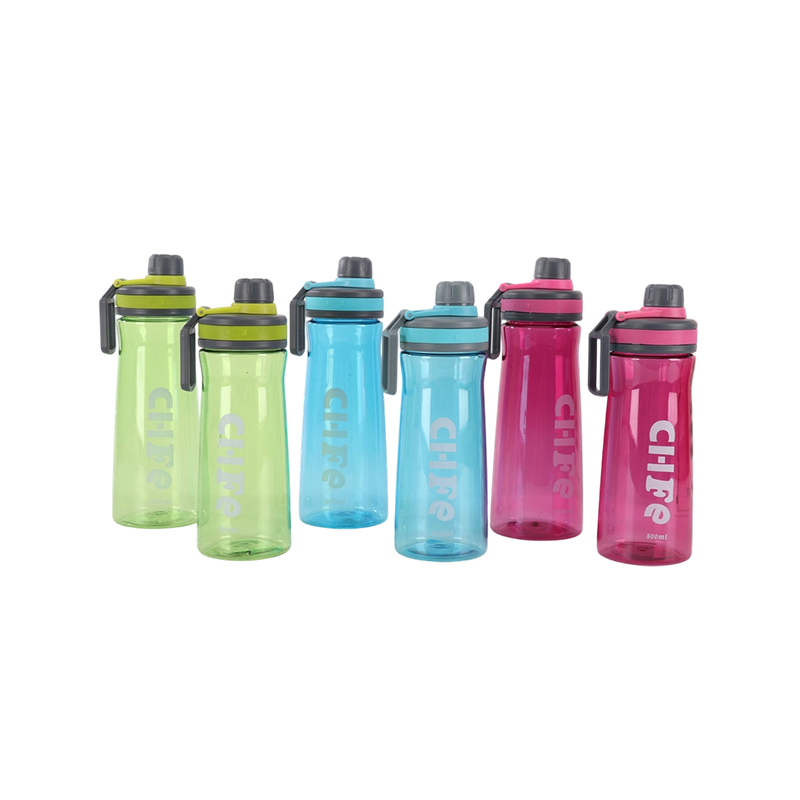 800ml Large Capacity Leakproof Outdoor Sports Water Bottle
-
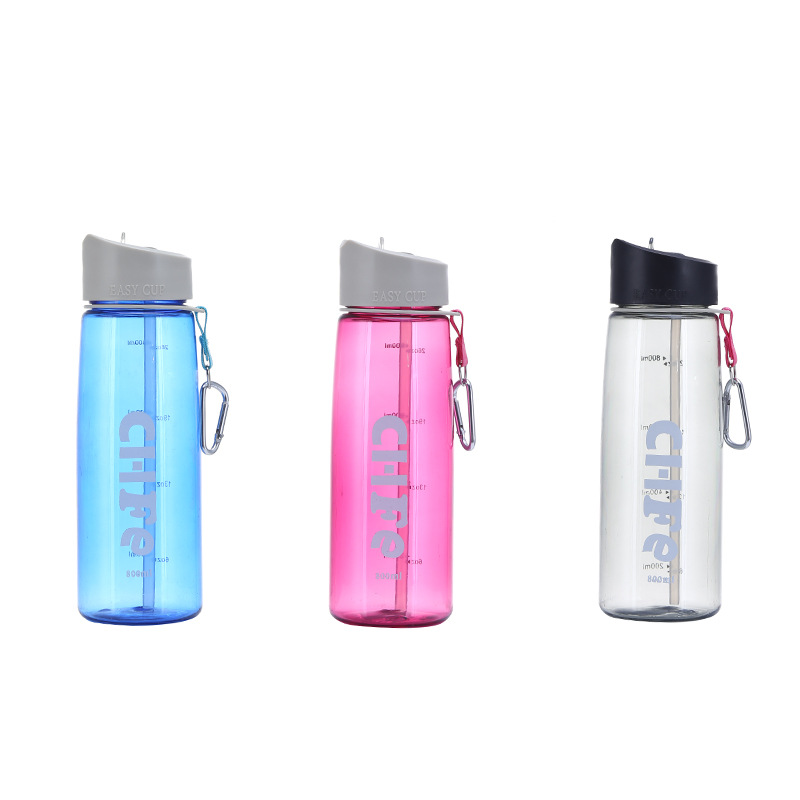 Large Capacity Transparent Portable Plastic Water Bottle
-
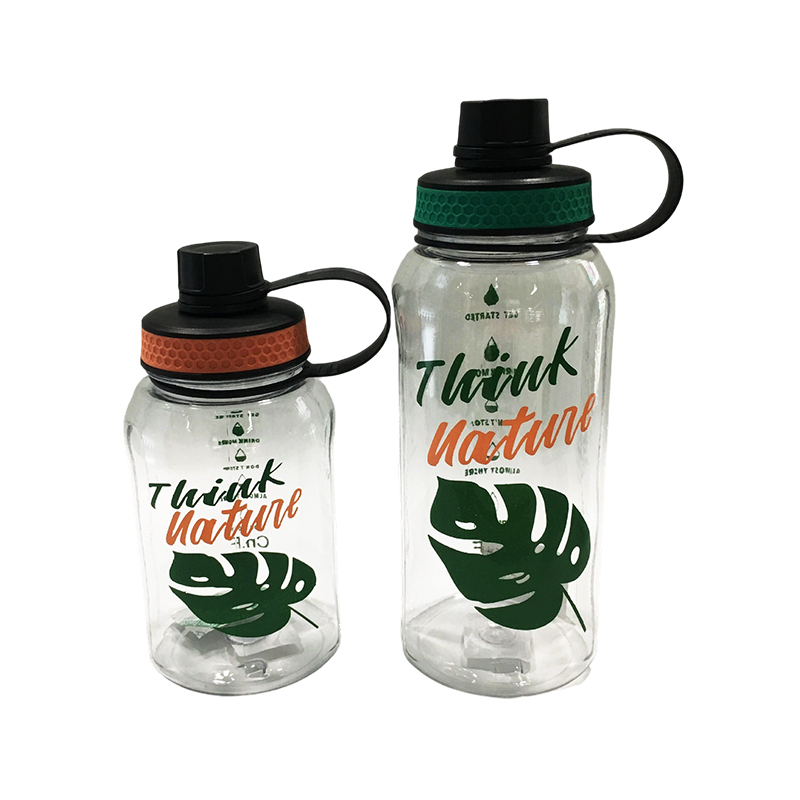 Think Natural Drinking Water Bottle For Outdoor Sports
-
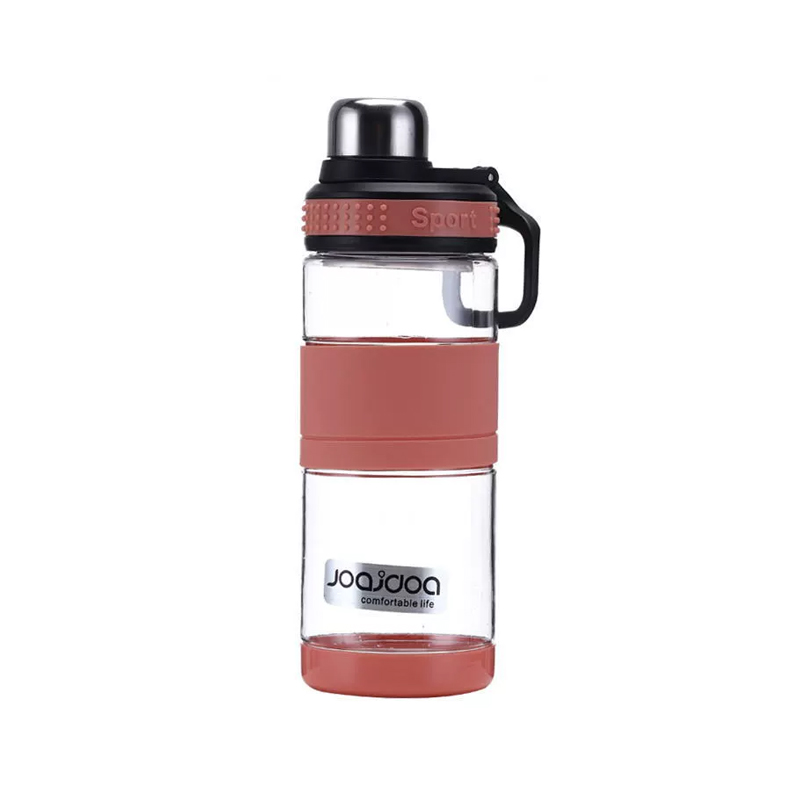 BPA Free Sports Water Bottle With One Touch Lid
-
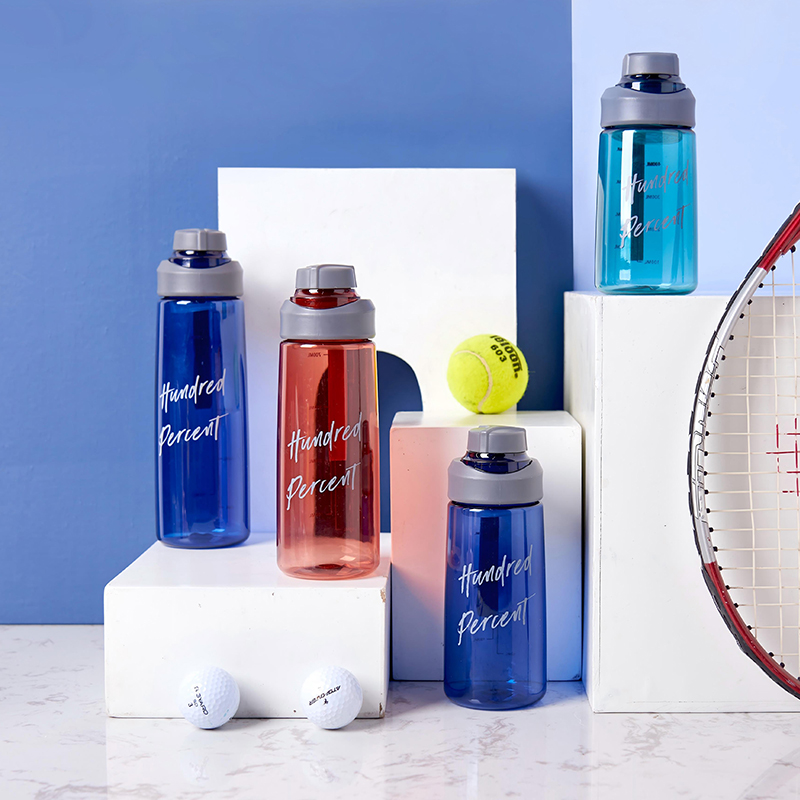 Simple Graduated Transparent Water Carafe Sports Bottle
-
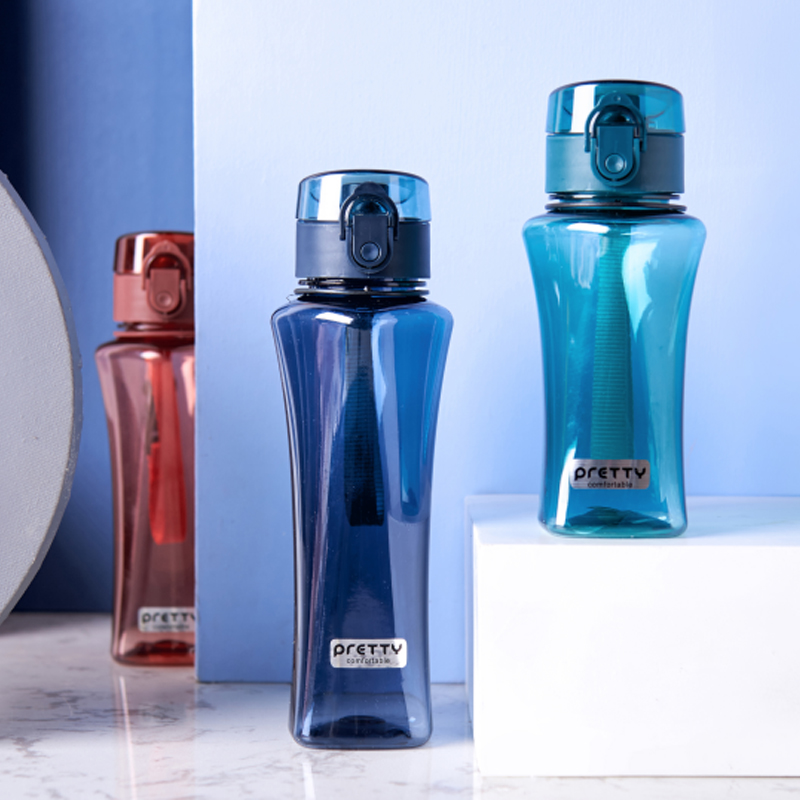 Outdoor Leak-proof Drop-proof Portable Sports Water Bottle
-
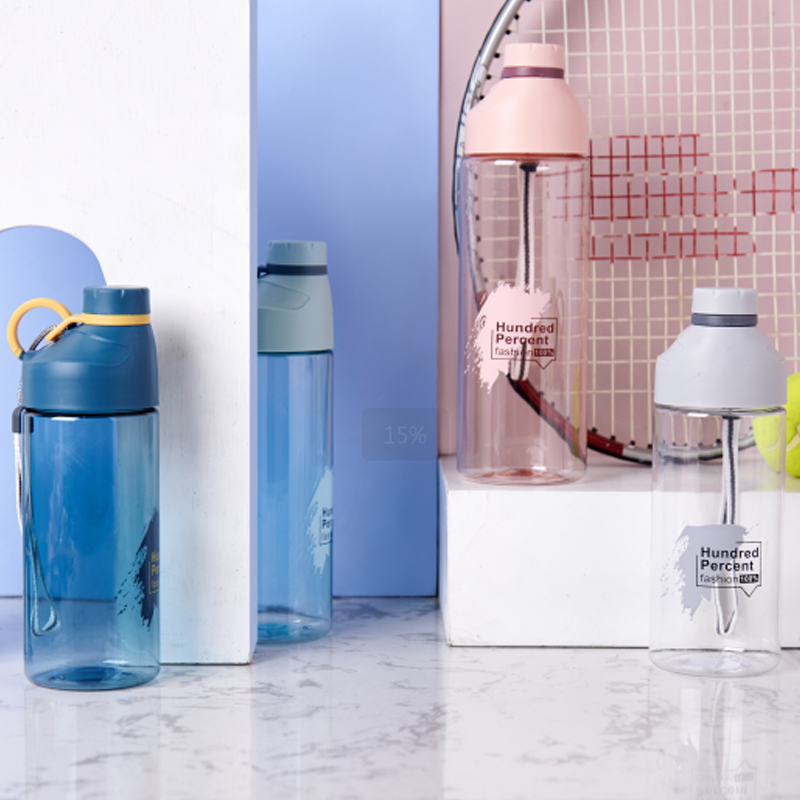 Direct Drinking Sports Water Bottle Plastic Cup for Running Fitness
-
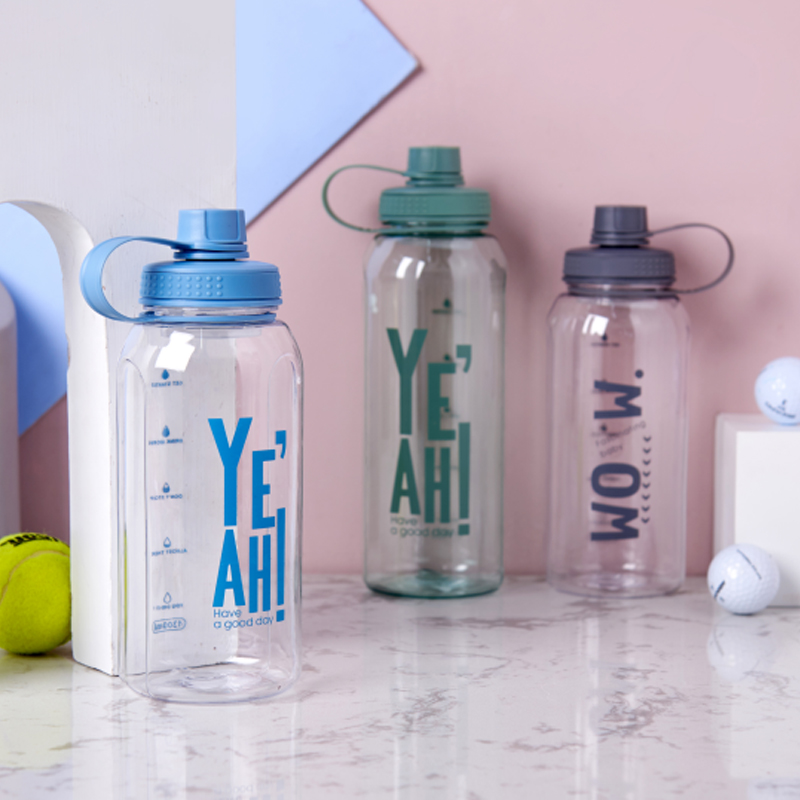 BPA-Free Transparent Large Capacity Plastic Sports Water Bottle
Start a Project? [email protected]


