
 中文简体
中文简体

How Does a Straw Cup Fit Into Everyday Drinking Habits and Needs
People usually notice a drinking cup when it makes a routine easier, not when it tries to stand out. A straw-based design works in that quiet way. It changes how liquid moves, how the hand holds the cup, and how often a person reaches for it during the day. In simple terms, it supports a more relaxed drinking pattern that can suit home use, commuting, or light activity.
For many users, the value is in the small details. A cup that is easy to sip from, easy to carry, and less likely to spill during movement can feel more practical in ordinary life. That is why this type of cup often appears in spaces where convenience matters more than ceremony.
What Makes a Straw Cup Different From a Regular Drinking Cup and Why It Matters in Daily Use
A regular cup usually asks the user to tilt and pour. A straw-based design changes that motion. The drink is drawn upward, so the hand does not need to lift or angle the container as much. That small shift changes the whole experience. It can feel calmer, easier to manage, and more stable during use.
The difference also shows up in drinking pace. A straw can slow the flow enough to make sipping feel natural, while a regular cup often encourages larger swallows. For people who drink while working, walking, or taking brief pauses between tasks, that kind of control can be useful. It is one reason this style has become familiar in homes and on the move.
Where Straw Cups Are Commonly Used in Daily Life and How They Fit Different Drinking Habits
These cups fit into places where movement, routine, and convenience overlap. At home, they are often used at breakfast tables, on bedside stands, or during quiet work sessions. In travel settings, they are useful because they let the user drink without stopping to adjust posture. They also appear in places where small, repeated sips are part of the habit rather than a single large drink.
Different users bring different habits to the same product. Some prefer to sip often throughout the day. Others only use it during short breaks. In both cases, the design stays familiar because it does not ask for much adjustment. That is part of its appeal. It fits into daily use without demanding attention.
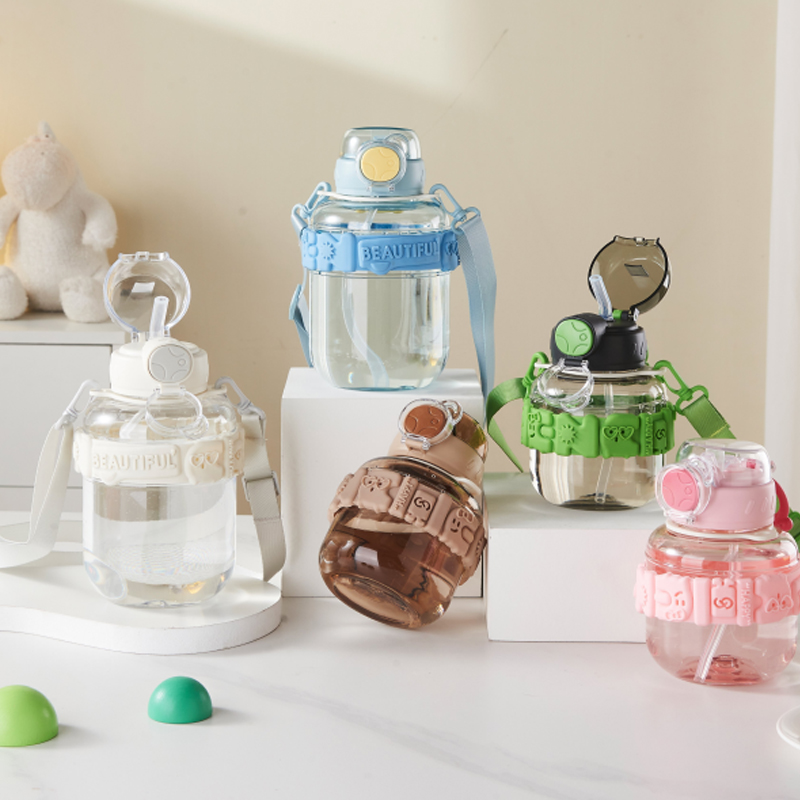
How a Straw Cup Controls Water Flow and Shapes a More Comfortable Drinking Experience
The drinking experience depends a lot on how the liquid travels inside the cup. The narrow path of the straw helps guide the flow, so liquid does not rush out all at once. That creates a steadier feel, especially when the cup is being used in motion. The user can take small sips without needing to tilt the container much, which often makes the action feel less awkward.
| Drinking Style | Flow Behavior | Everyday Feeling |
|---|---|---|
| Tilt-based cup | Liquid moves with gravity | More direct, less controlled |
| Straw-based cup | Liquid moves with suction | Steadier, more gradual |
This difference matters in routine use. A slower, more controlled flow can feel easier to manage when someone is multitasking or drinking in between other actions. It does not change the drink itself, but it changes how the drink is delivered, which is often what users notice first.
Which Materials Are Commonly Used in Straw Cup Design and How They Affect Everyday Performance
Material choice shapes how the cup feels in the hand, how it handles wear, and how easy it is to maintain. Some designs use clear plastic for light weight and simple visibility. Others add silicone for softer sealing parts or flexible straw sections. Metal bodies are also used when a sturdier structure is desired, especially in products meant for frequent carrying.
Each material brings its own balance. Light materials help with portability. Softer parts can improve sealing and comfort. Firmer shells may feel more durable in regular use. The final experience depends on how those parts work together, not just on one material alone. For that reason, the structure around the material matters just as much as the material itself.
A practical note is cleaning. Smooth surfaces are usually easier to rinse, while flexible components can trap residue if they are not cared for regularly. That is why material choice is never only about appearance. It also affects how the cup behaves after repeated use.
Why Cleaning a Straw Cup Properly Is Important for Long Term Daily Use
Cleaning tends to decide how a drinking cup feels after repeated use. A straw structure has narrow channels where liquid moves through, and those areas are not always easy to see. Even when the outside looks clean, the inside can still hold traces from daily drinks.
Over time, different liquids can leave light residue inside the straw path. If it is not rinsed well, the taste may slowly change or the flow may feel less smooth. This is not an immediate issue, but something that builds up with routine use.
In practice, users usually pay attention to a few things:
- How easily the straw can be taken apart
- Whether inner parts are reachable during washing
- How long it takes to dry after cleaning
- How often cleaning needs to be repeated
What Design Features Help a Straw Cup Reduce Spills During Movement and Travel
Spill control becomes more noticeable when the cup is used outside a fixed place. A straw structure already reduces the need to tilt, but the lid and sealing details still matter a lot when the cup is moving around in a bag or held in one hand.
When people walk, commute, or place the cup in different positions, small shifts in pressure can happen inside. If the structure is not stable, liquid may slowly move toward openings. That is why many designs focus on keeping the internal flow stable even when the cup is not upright.
In daily use, the difference is often felt in simple moments, like putting the cup down quickly or carrying it while multitasking. A stable structure just reduces those small unexpected leaks that can be inconvenient during routine activities.
How to Choose a Straw Cup Based on Different Age Groups and Lifestyle Needs
| User group | Daily routine | Drinking habit | Design focus |
|---|---|---|---|
| Young children | Short, frequent drinking moments | Small and controlled sips | Easy grip, simple operation |
| Students | Moving between classes or activities | On-and-off hydration | Carrying convenience, stable lid |
| Working adults | Desk or commuting use | Steady sipping during tasks | Portability, quick access |
| Older users | Calm and regular drinking at home | Gentle flow preference | Smooth suction, low effort use |
The structure does not change completely between groups, but the emphasis shifts. Some users care more about grip, others care more about flow or portability.
What Problems Users May Notice in Straw Cup Long Term Use and How Design Can Address Them
With time, any daily-use cup can start to show small changes. These are usually gradual and linked to how often the cup is used and how it is maintained.
Some common things people notice include slight changes in drinking smoothness, parts that feel less tight after repeated opening, or small differences in how easy it is to clean certain areas. These are not sudden failures, but natural results of repeated use.
Design adjustments often try to reduce these effects by simplifying internal shapes, using more stable connection points, or allowing certain parts to be replaced when needed. The aim is to keep the cup usable in a consistent way without making daily care complicated.
In production planning and product development discussions, attention to these small usage details often guides practical improvements. In this space, Taizhou Huangyan Xinya Plastic Factory appears in manufacturing contexts related to routine drinking products, where structure and everyday usability are considered in parallel with production consistency.
-
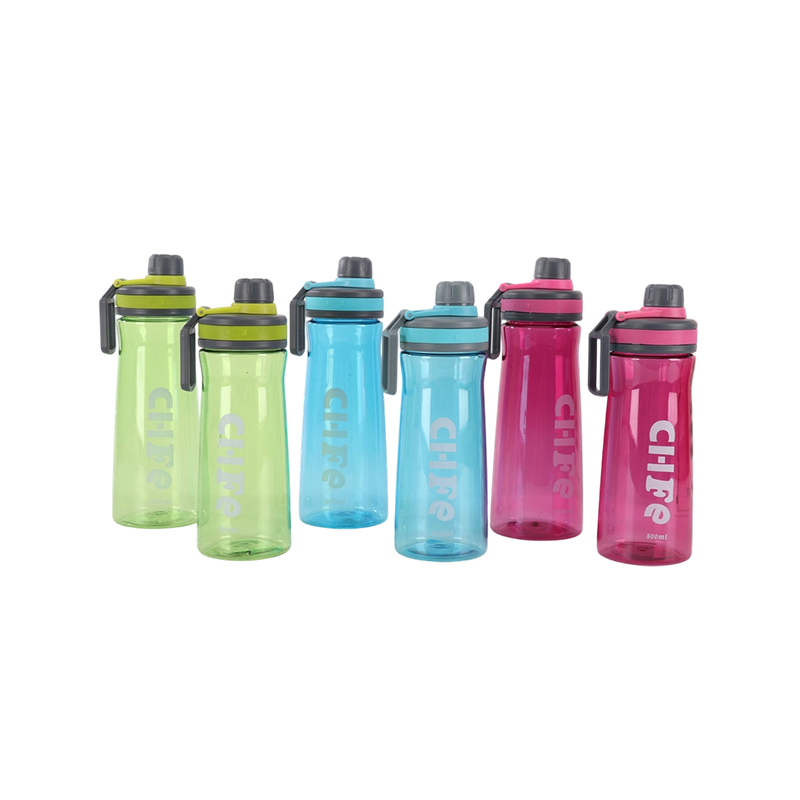 800ml Large Capacity Leakproof Outdoor Sports Water Bottle
-
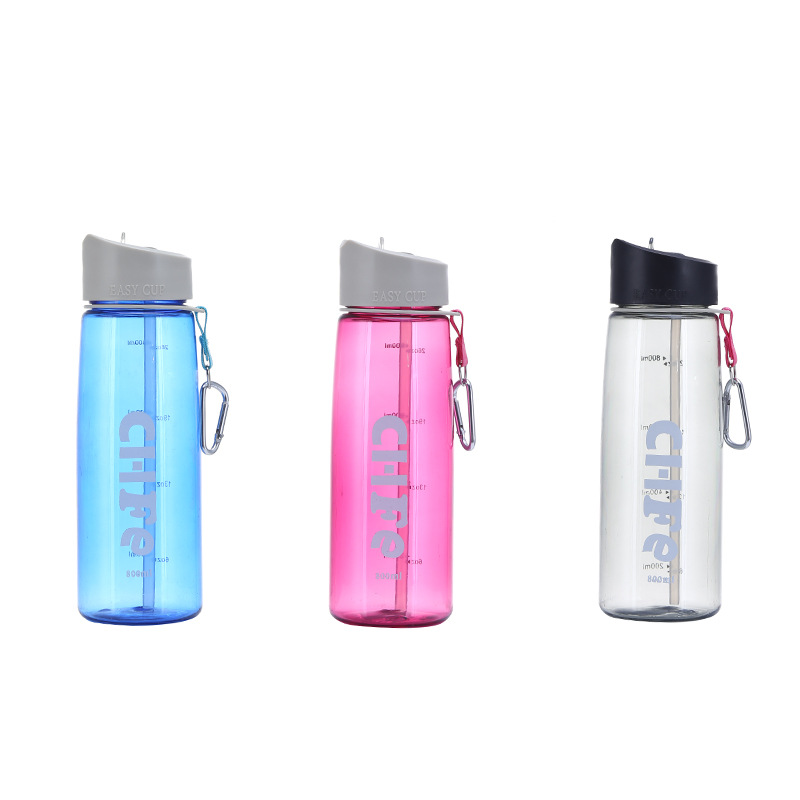 Large Capacity Transparent Portable Plastic Water Bottle
-
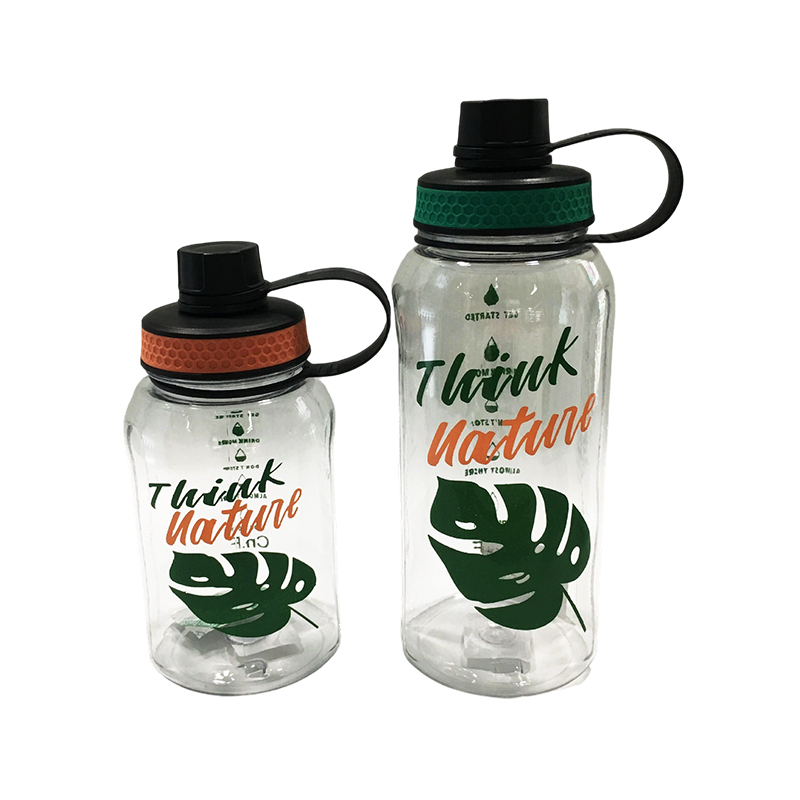 Think Natural Drinking Water Bottle For Outdoor Sports
-
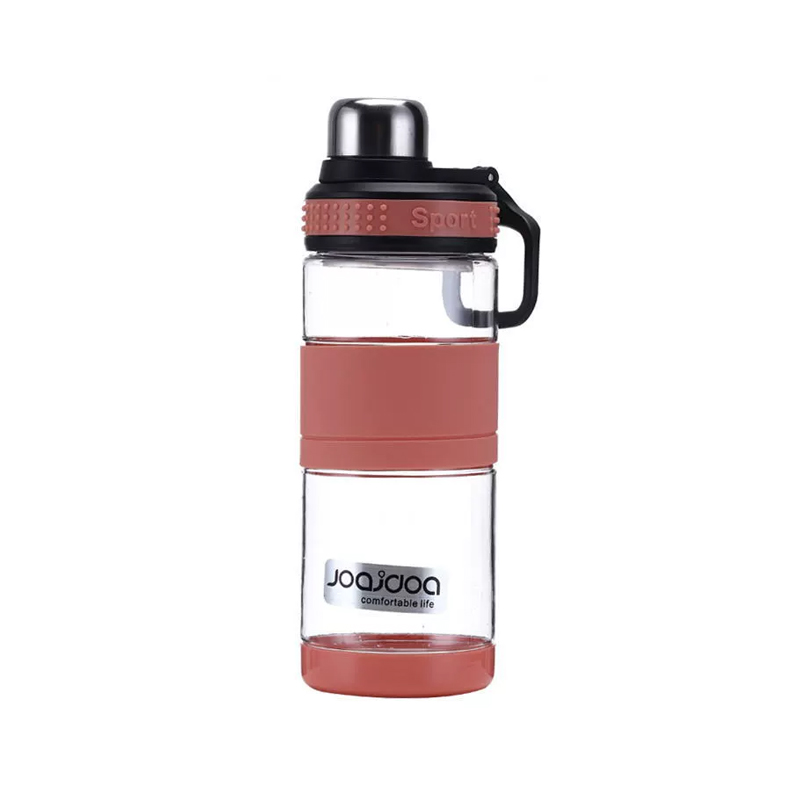 BPA Free Sports Water Bottle With One Touch Lid
-
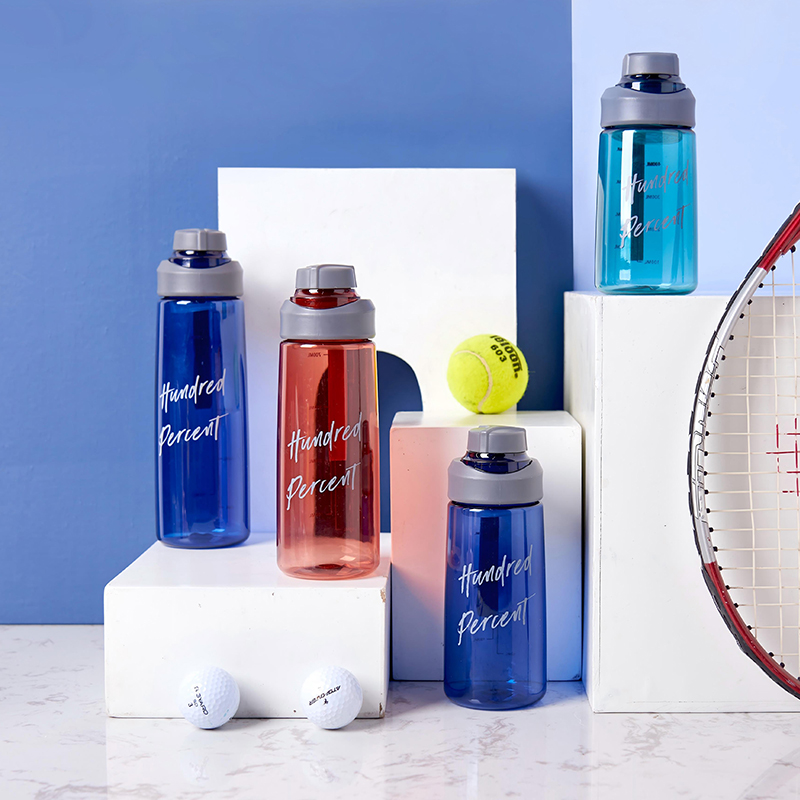 Simple Graduated Transparent Water Carafe Sports Bottle
-
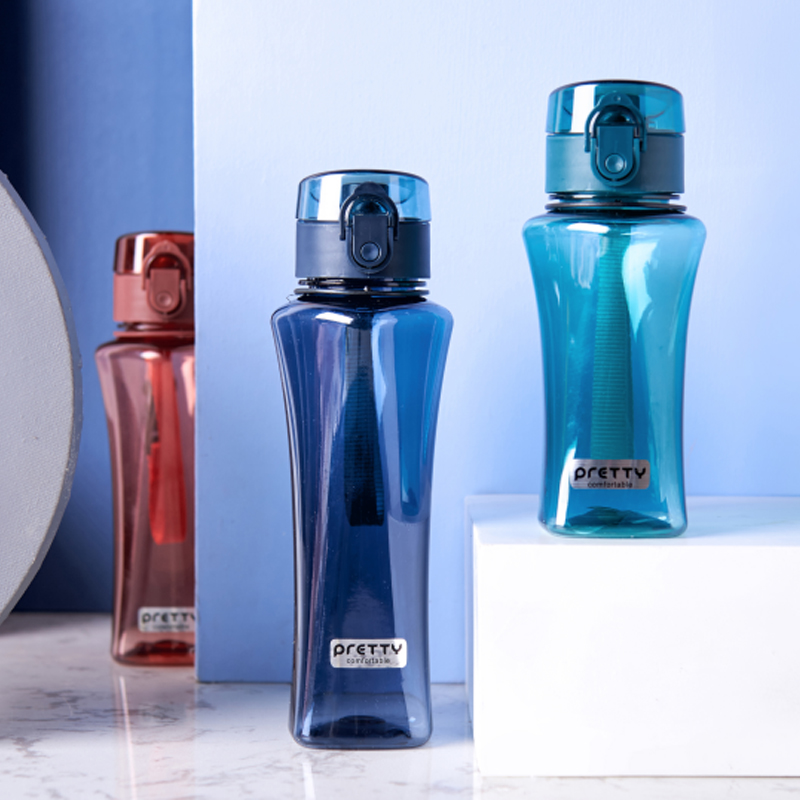 Outdoor Leak-proof Drop-proof Portable Sports Water Bottle
-
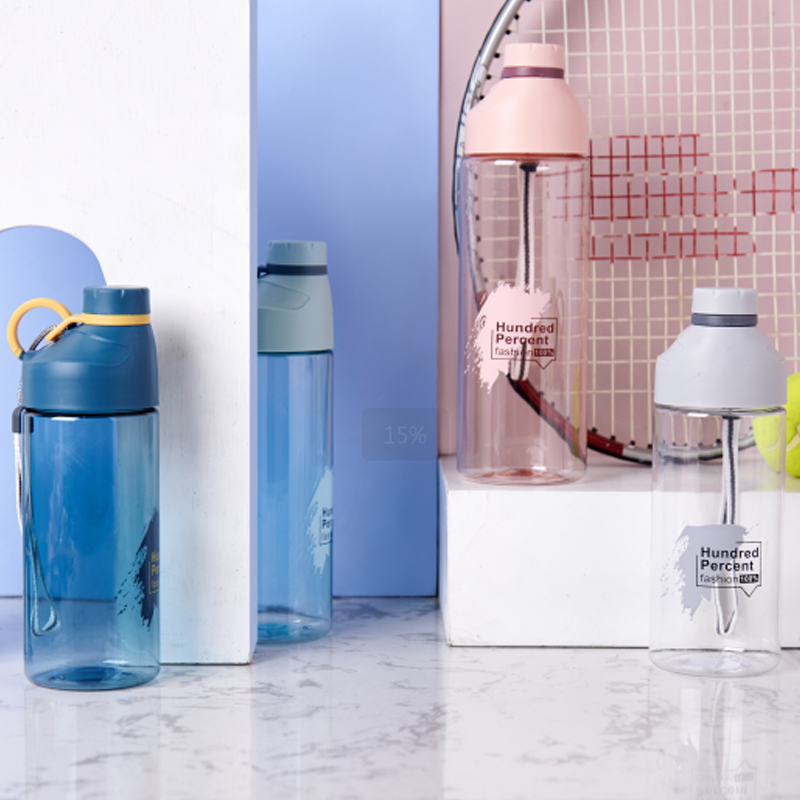 Direct Drinking Sports Water Bottle Plastic Cup for Running Fitness
-
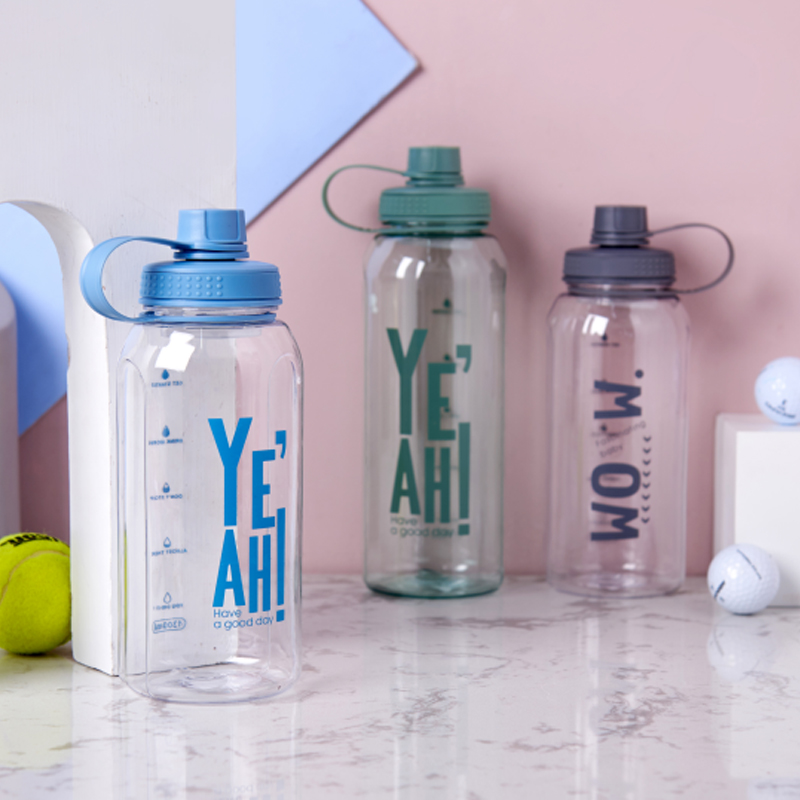 BPA-Free Transparent Large Capacity Plastic Sports Water Bottle
Start a Project? [email protected]


