
 中文简体
中文简体

How Do Large Capacity Water Bottles Change Daily Hydration Habits
A shift toward larger drinking containers is often less about style and more about how daily routines actually work. People move between work, commuting, and short breaks, and in many cases there is not a convenient moment to refill a bottle.
In that kind of rhythm, Large Capacity Water Bottles tend to stay nearby for longer periods. More water at hand can quietly change when and how often people drink, sometimes without much planning. The effect is usually gradual, not dramatic.
How to choose the right capacity of a water bottle based on your lifestyle and activity level
Capacity choice is usually made through use, not theory. A bottle that looks suitable on paper may still feel awkward once it starts moving with you through the day.
A smaller bottle can feel easy to carry, but it asks for more refilling. A larger one reduces that interruption, though it can feel heavier when it stays full for long periods. In daily life, the real question is often not how much it can hold, but how often it fits naturally into your routine.
| Daily situation | What usually becomes noticeable | Practical effect |
|---|---|---|
| Desk work | Water stays close by | Drinking happens in a more steady way |
| Outdoor movement | Refilling is not always easy | One bottle is used for longer stretches |
| Exercise time | Drinking happens in short bursts | The bottle gets used quickly, then set aside |
| Travel periods | Access changes often | Drinking becomes less regular |
In real use, Large Capacity Water Bottles are often chosen because they reduce the need to keep checking how much water is left. That alone can make them feel easier to live with.
Which bottle materials are commonly used for large capacity water bottles and how they affect daily use
Material choice changes how a bottle feels in the hand, how it behaves in different temperatures, and how comfortable it is to carry again and again.
Some materials feel lighter and easier to move around with. Others feel steadier when used for longer periods. A few are designed to balance these two sides. What people often notice in daily use is not the material name itself, but the result.
For example, a bottle may feel easy to carry at first, then start to feel heavier after a full day. Another may feel stable in the hand, yet less convenient if it is moved around often. These small differences can affect whether the bottle becomes part of a routine or something that gets left behind.
Large Capacity Water Bottles are often judged by how they fit into ordinary use rather than by appearance alone. A bottle may look simple, yet still feel very different once it becomes part of daily carry.
What design details matter most when carrying a large capacity water bottle to work travel or gym
When volume increases, small structural details begin to affect usability more clearly. The way a bottle is held, stored, and moved becomes part of its overall experience.
A stable grip area can reduce small adjustments during walking. A balanced shape helps the bottle sit more naturally in bags or side storage spaces. Even surface texture can influence how secure it feels when picked up quickly.
In different environments, priorities shift:
- At work, stability on a flat surface matters more
- During exercise, quick access becomes more noticeable
- During travel, compatibility with surrounding space becomes important
Large Capacity Water Bottles often reveal their usability through repetition rather than immediate impression. What feels acceptable at first may become either more convenient or more limiting after repeated handling.
How lid types and drinking styles change the convenience of using large capacity water bottles
The opening style changes how naturally a bottle fits into the day. Some lids are made for quick access. Others feel more secure and controlled.
A drinking style that works well in one setting may feel less practical in another. For example, a bottle that opens fast can be useful during active movement, while a more sealed style may feel safer in a bag.
Different lid choices tend to support different habits. Quick-open styles work well when drinking needs to happen without much pause. Straw-style options can feel smoother for repeated sipping. Screw-style closures often feel steadier when the bottle is carried around more often.
With Large Capacity Water Bottles, the lid is not just a small accessory. It shapes how easy the bottle is to return to again and again, and that often matters more than people expect.
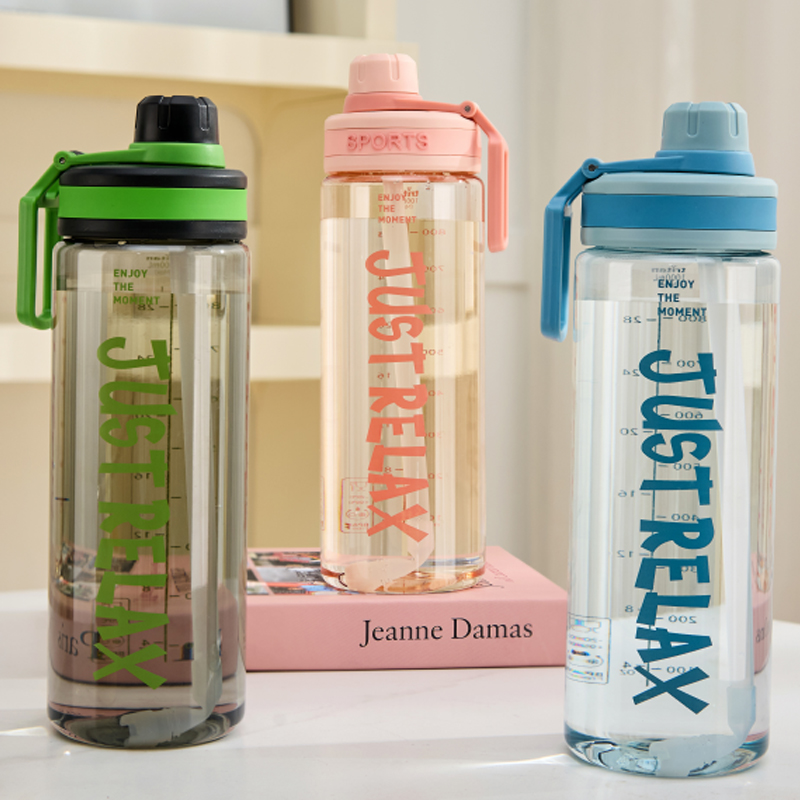
Why Large Capacity Water Bottles can influence how often you drink water during the day
In everyday routines, drinking is rarely planned in a strict way. It usually happens between tasks, during short pauses, or simply when a bottle is visible nearby.
With larger bottles, water tends to stay present for longer periods without needing refills. That changes how attention is paid to drinking. Instead of thinking about when to refill, the focus quietly shifts to what is already available.
Over time, this can make drinking feel more continuous. Not in a structured way, but more like small habits forming around whatever is within reach.
Why cleaning habits become more important when using large capacity water bottles for long term hydration
When a bottle is used throughout the day, it naturally goes through more cycles of opening, refilling, and sitting idle. In that process, cleaning becomes part of keeping the experience stable.
Larger bottles are not always emptied quickly, so water may stay inside for longer than expected. That makes simple maintenance more noticeable over time, especially when different drinks are used.
A few things usually affect how cleaning feels in practice:
- Whether the opening is wide enough to reach inside comfortably
- How easily the bottle dries after washing
- Whether leftover smell becomes noticeable after repeated use
In real use, people often adjust cleaning frequency based on convenience rather than strict routine.
How to reduce leakage risk when placing large capacity water bottles in bags cars or backpacks
Leakage is less about size and more about how the bottle behaves when it is not standing upright. Movement, pressure, and angle all play a part once the bottle is inside a bag or vehicle.
A bottle that feels stable on a desk may shift slightly under motion, and that is where sealing becomes more important. Even small gaps in closure can become noticeable when pressure builds over time.
| Situation | What can affect sealing | What usually helps |
|---|---|---|
| Backpack use | Pressure from surrounding items | Firm closure before packing |
| Car storage | Sudden movement or turns | Lid that locks firmly |
| Side placement | Tilted position during movement | Balanced bottle shape |
In practice, most issues appear not from one single factor, but from repeated small movements during the day.
What makes a large capacity water bottle feel different in daily hydration habits
The difference often shows up slowly, not immediately. When more water is available in one place, refilling becomes less frequent, and the bottle tends to stay within view for longer periods.
That visibility changes behavior in a subtle way. Drinking becomes less tied to specific moments and more tied to simple presence. People may take small sips without thinking much about timing.
In some cases, this leads to a more even rhythm across the day. In others, it simply reduces the need to interrupt tasks for refills. The effect depends heavily on environment and how the bottle is used rather than the bottle itself.
In manufacturing practice, details like structure, sealing behavior, and daily handling are often considered together, since they shape how a product performs once it leaves production. At this stage, Taizhou Huangyan Xinya Plastic Factory is usually associated with this kind of integrated product focus, where usage conditions are taken into account alongside basic design requirements.
-
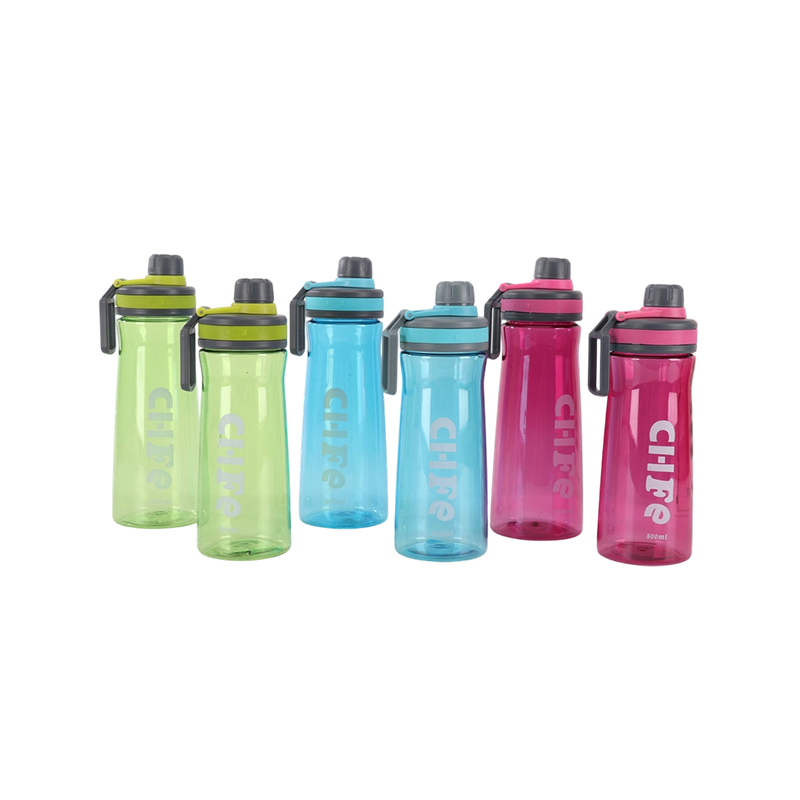 800ml Large Capacity Leakproof Outdoor Sports Water Bottle
-
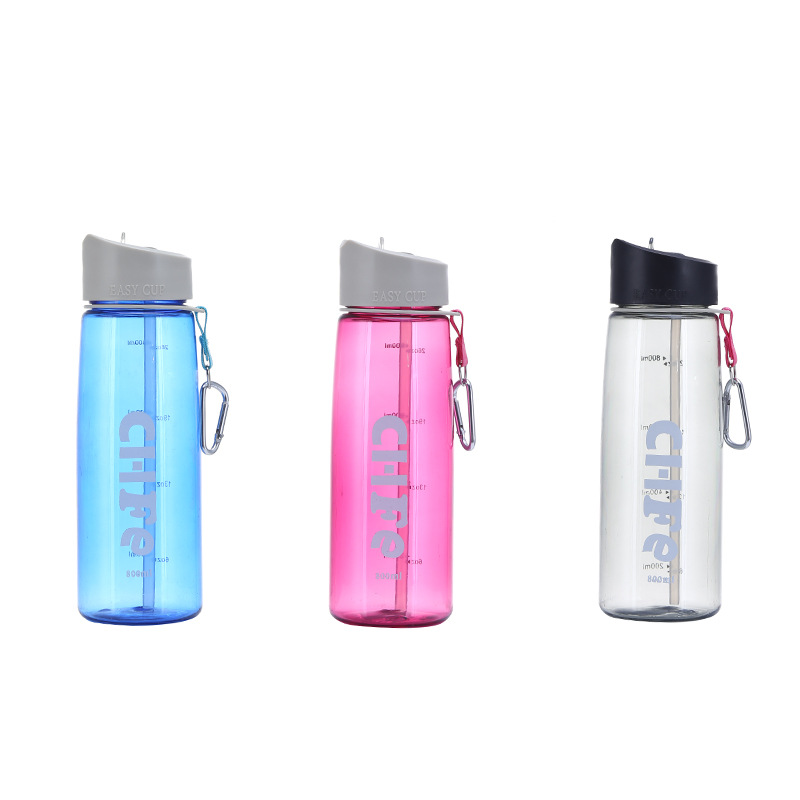 Large Capacity Transparent Portable Plastic Water Bottle
-
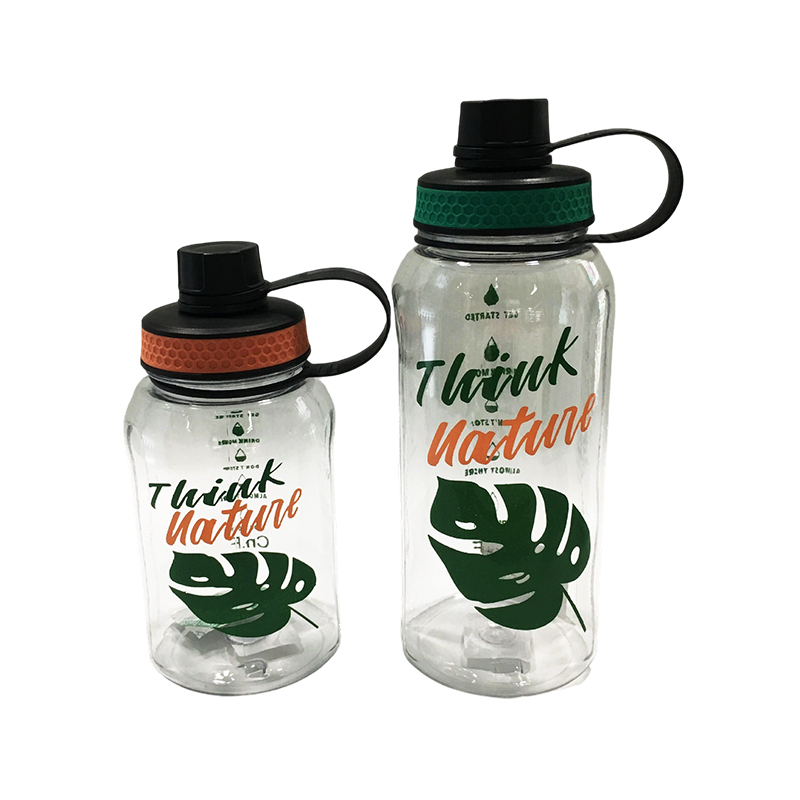 Think Natural Drinking Water Bottle For Outdoor Sports
-
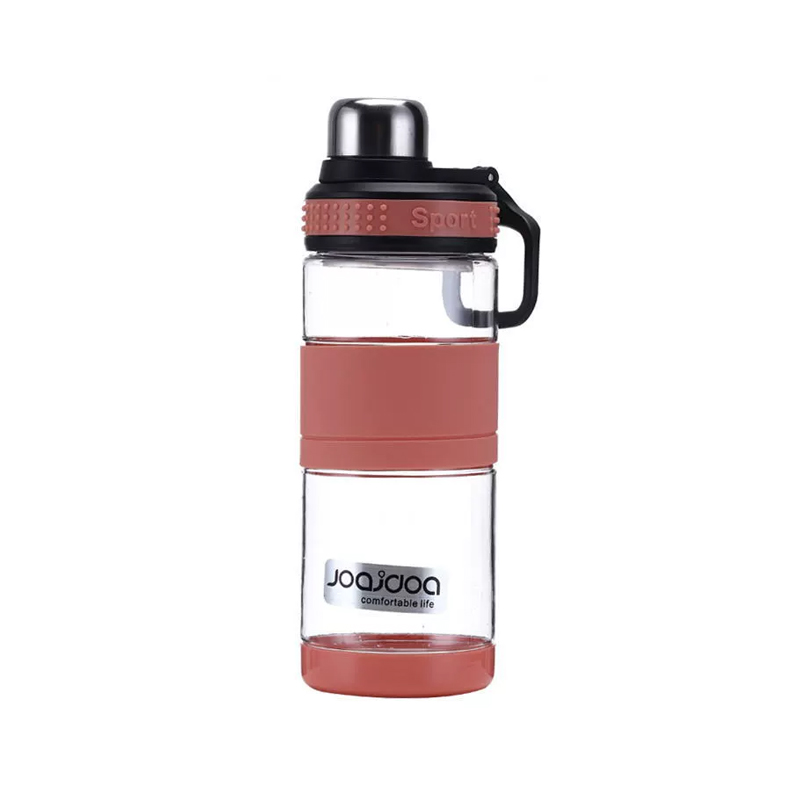 BPA Free Sports Water Bottle With One Touch Lid
-
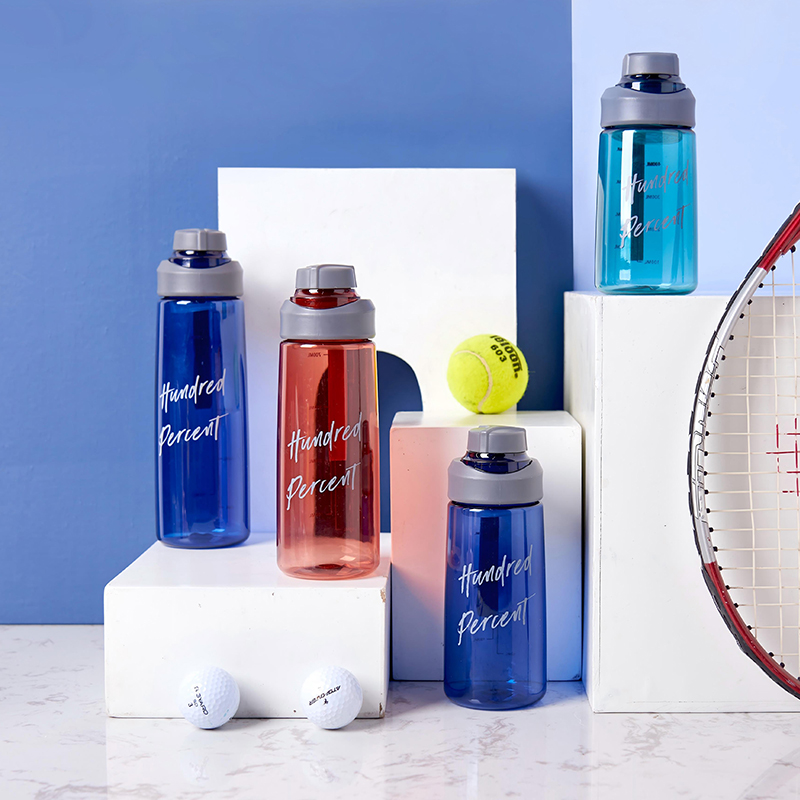 Simple Graduated Transparent Water Carafe Sports Bottle
-
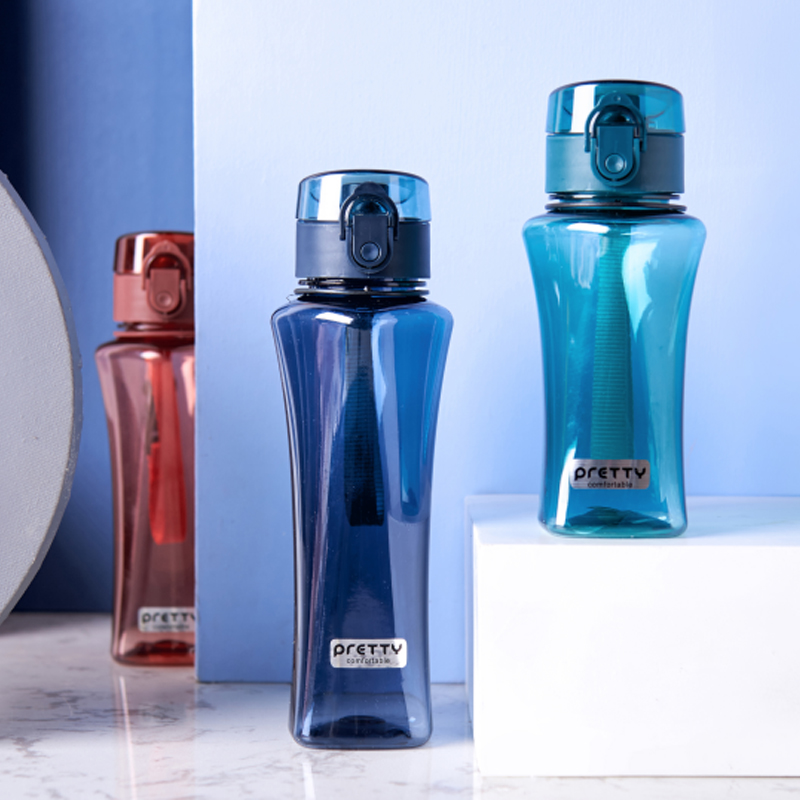 Outdoor Leak-proof Drop-proof Portable Sports Water Bottle
-
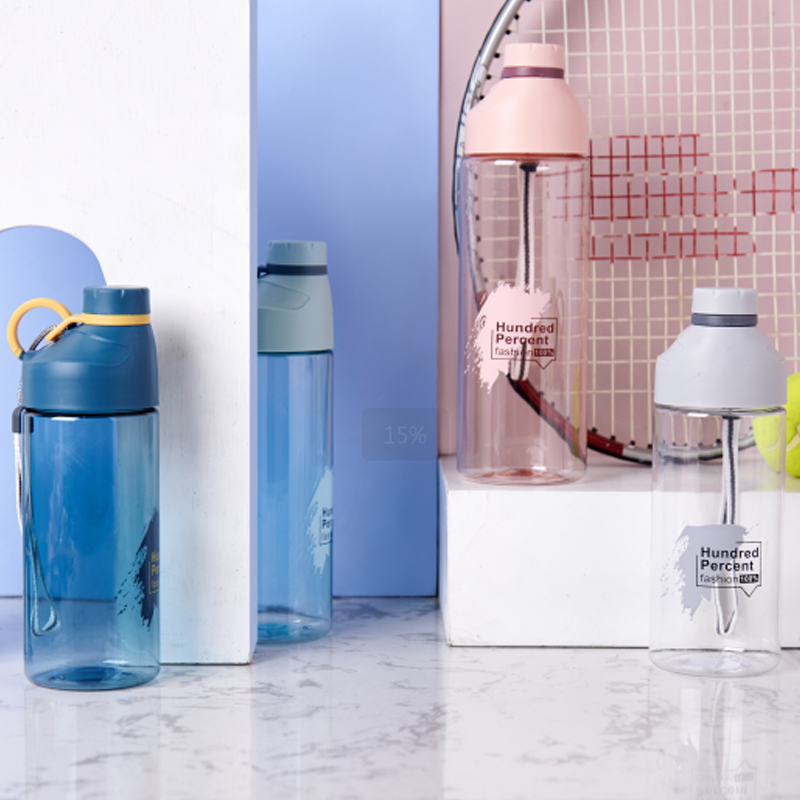 Direct Drinking Sports Water Bottle Plastic Cup for Running Fitness
-
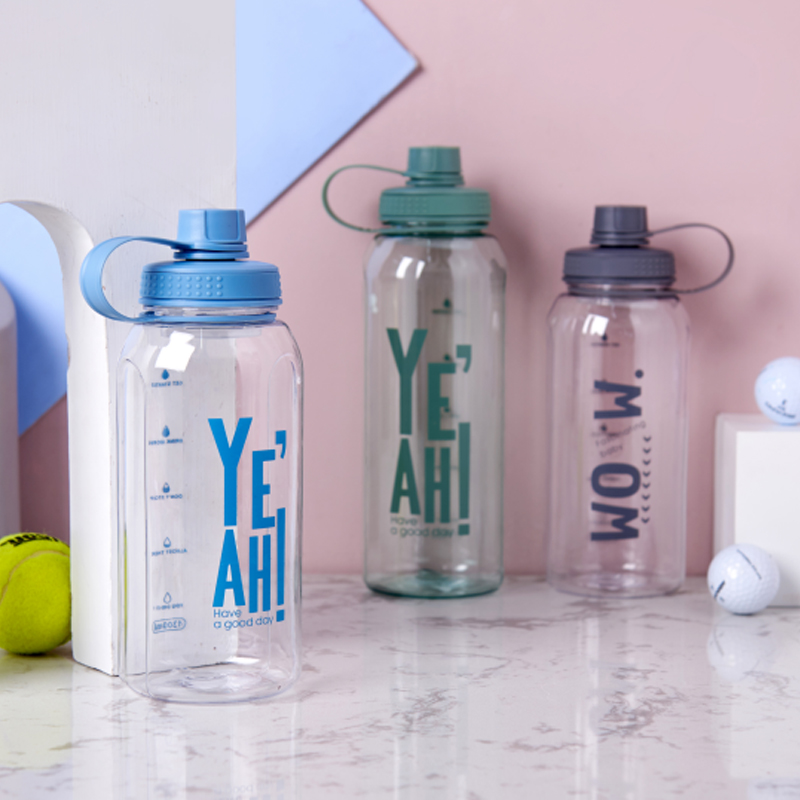 BPA-Free Transparent Large Capacity Plastic Sports Water Bottle
Start a Project? [email protected]


