
 中文简体
中文简体

Kids Water Bottles: What Parents Actually Look For
A kid's water bottle is not a grown-up water bottle. Adults keep theirs on a desk. Kids throw theirs into a backpack. Adults rinse it out at night. Kids leave theirs in the car for three days. A kids water bottles product needs to survive that. It needs to be easy to open. Easy to clean. Hard to break. Here is what parents check before buying.
What Makes a Water Bottle Work for a Kid
The bottle needs to open with one hand
Kids have stuff in their other hand. A backpack. A book. A phone. A kids water bottle with a two-handed screw cap gets left unopened. The kid stays thirsty. The parent finds a full bottle at pickup time.
Flip straws work well. Push a button. The straw pops up. Drink. Push again. The straw goes down. One finger. No caps to drop. No threading.
Pop-up spouts are another option. Press a button. The spout rises. Drink. Press the button again. The spout retracts. A kids water bottle with this design seals tight. No leaks.
The bottle needs to seal tight, no matter how it lands
Kids drop bottles. They throw them into backpacks. They leave them on their side in the car. A kids water bottle that leaks is a parent's nightmare. Wet homework. Wet laptop. Wet car seat.
The seal needs to be silicone. Not rubber. Rubber dries out. Cracks. Leaks. Silicone stays flexible for years. The cap needs a gasket that compresses when closed. Not just a thin flap of plastic.
The bottle needs to survive drops on concrete
Kids drop things. A kids water bottle made from thin plastic cracks. The first drop. The bottle is trash. Stainless steel survives drops. It dents. It does not crack. The bottle still holds water.
Glass is not for kids. One drop. Shards everywhere. No.
Here is what durability looks like:
- Stainless steel — dents, does not crack, lasts for years
- Tritan plastic — tough, does not shatter, lighter than steel
- Polypropylene — flexible, cheap, scratches easily
- Glass — no, just no
What Parents Check Before Buying
Leakproof is the first question
No parent buys a kids water bottles product that leaks. They check reviews. They ask friends. They test the bottle at the store. Fill it. Turn it upside down. Shake it. If a drop comes out, they put it back.
The cap design matters. A flip straw has more parts. More places to leak. A simple pop-up spout has fewer parts. Fewer leaks. A screw cap with a gasket is the reliable. Hardest for a kid to open.
Cleaning ease is the second question
A kids water bottles product that cannot be cleaned grows mold. Mold smells. Mold makes kids sick. Parents throw the bottle away.
The bottle needs to come apart. Every part that touches water needs to come out. The straw. The gasket. The spout. If the parent cannot take it apart, they cannot clean it.
Dishwasher safe is a big plus. The parent puts the bottle on the top rack. Runs the dishwasher. Done. A kids water bottles product that is hand-wash only gets used less. Then not at all.
Here is what cleaning looks like for different designs:
- Flip straw with removable straw — good, comes apart, dishwasher safe
- Pop-up spout with removable gasket — good, fewer parts
- Screw cap with wide mouth — easy to clean by hand, hard for kids to open
- Straw brush included — helpful, parent does not need to buy one
The size needs to fit in a backpack pocket
A kids water bottles product that is too tall does not fit in the side pocket. It falls out. The kid loses it. The parent buys another.
Diameter matters too. A bottle that is too wide does not fit in the pocket at all. It goes in the main compartment. Buried under books. The kid does not drink.
12 to 16 ounces is the sweet spot for elementary kids. Light enough to carry. Small enough to fit. Enough water for the school day. Refill at lunch.
What Goes Wrong with Cheap Kids Water Bottles
The straw falls out and gets lost
Cheap kids water bottles products have a straw that just sits in the cap. The kid pulls the bottle out of the backpack. The straw falls into the bag. Gets lost. The bottle is useless.
Better bottles have a straw that snaps in or screws in. It does not come out unless the parent pulls it.
The gasket falls out during cleaning
Parent takes the bottle apart. The gasket falls into the sink. Goes down the drain. The bottle leaks. The parent is angry.
Better bottles have a gasket that stays in the cap. It does not come out unless you pry it. You clean it in place.
The bottle sweats and gets the backpack wet
Single-wall stainless steel sweats. Cold water inside. Condensation outside. The kids water bottles product gets the backpack wet. The homework gets wet.
Double-wall vacuum insulation stops sweating. The outside stays dry. The water stays cold. Costs more. Worth it.
The paint chips off and looks terrible
Cheap paint. The kids water bottles product looks good in the store. After a week in a backpack, the paint is scratched. After a month, it is chipping. The kid does not want to carry an ugly bottle.
Powder coating is more durable. Stainless steel with no paint at all is good. The bottle gets scratched. It still looks fine.
A kids water bottles product is a small purchase. But a bad one causes daily frustration. Leaks ruin backpacks. Hard-to-open caps mean thirsty kids. Impossible-to-clean designs grow mold.
Buy stainless steel. Double-wall insulated. Flip straw or pop-up spout. Dishwasher safe. Fits in a backpack pocket. Easy to take apart. Gaskets that stay put.
A good bottle costs $15 to $25. A bad one costs $8. The good one lasts for years. The bad one gets thrown away in a month. Spend the money. Your kid will drink more water. Your backpack will stay dry. Your dishwasher will do the cleaning. That is a win all around.
-
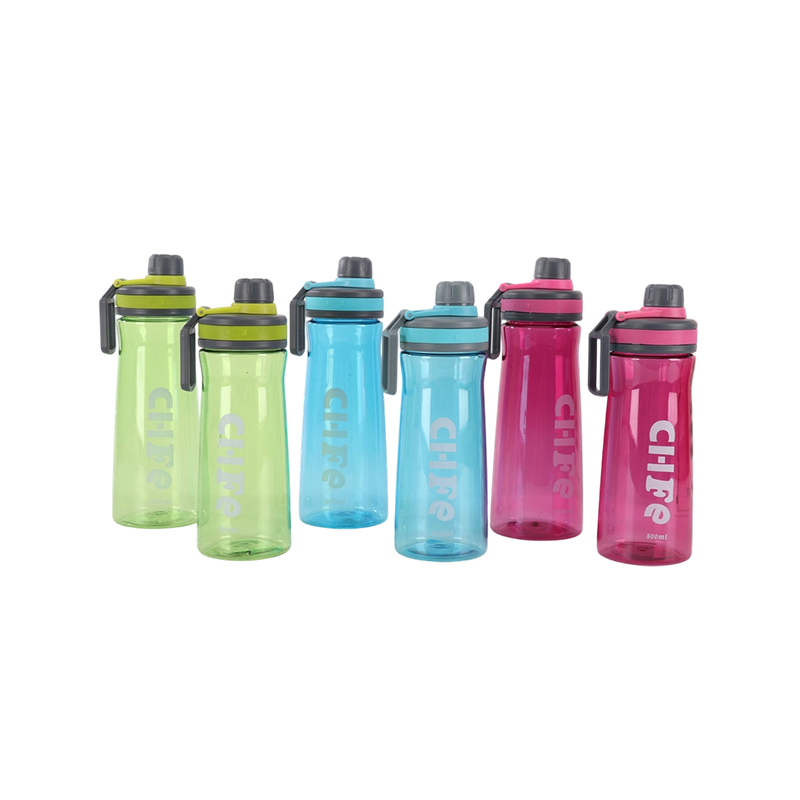 800ml Large Capacity Leakproof Outdoor Sports Water Bottle
-
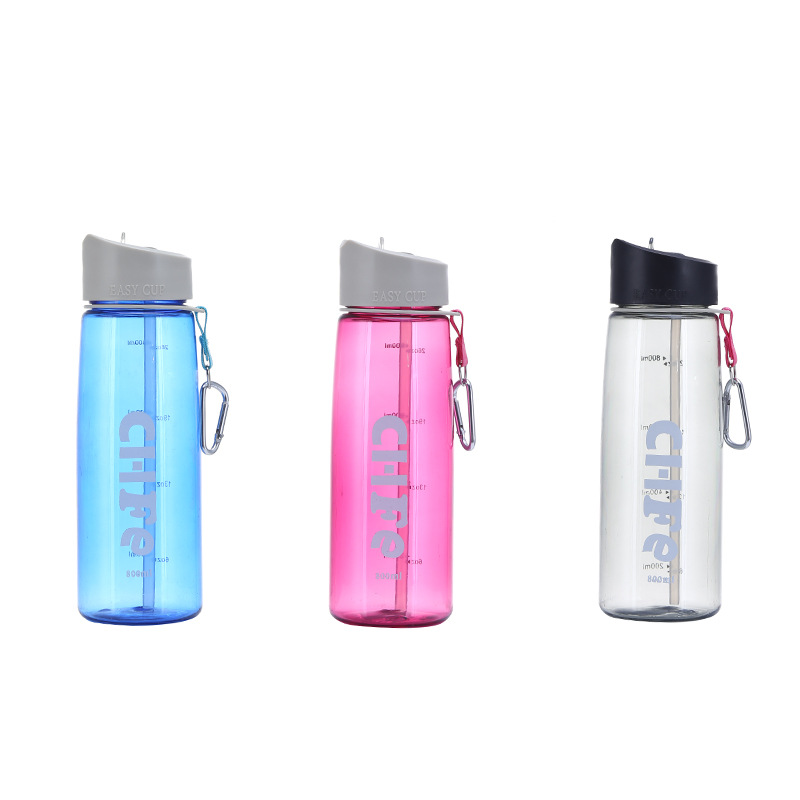 Large Capacity Transparent Portable Plastic Water Bottle
-
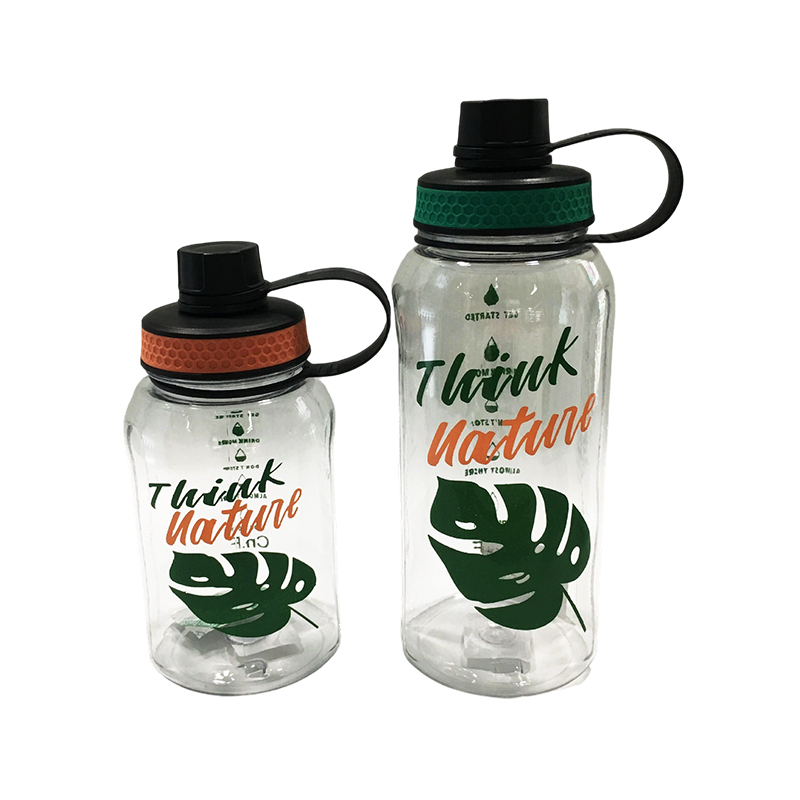 Think Natural Drinking Water Bottle For Outdoor Sports
-
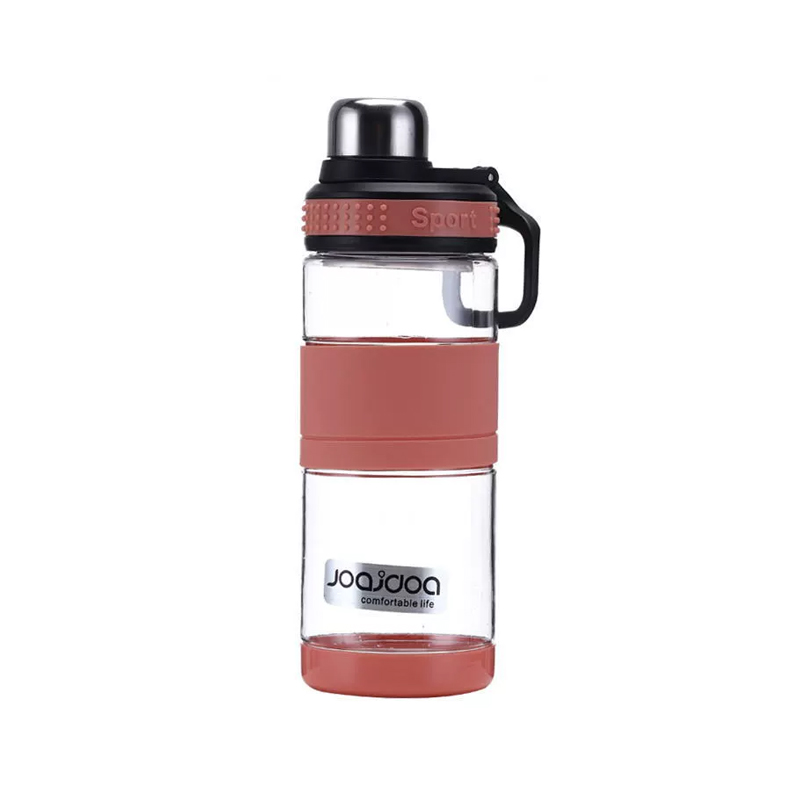 BPA Free Sports Water Bottle With One Touch Lid
-
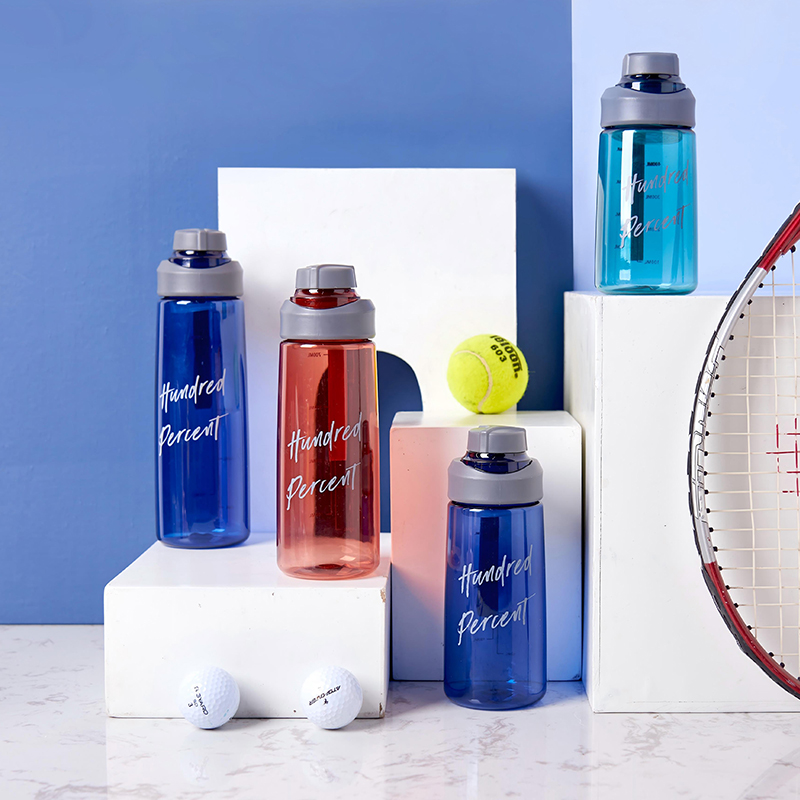 Simple Graduated Transparent Water Carafe Sports Bottle
-
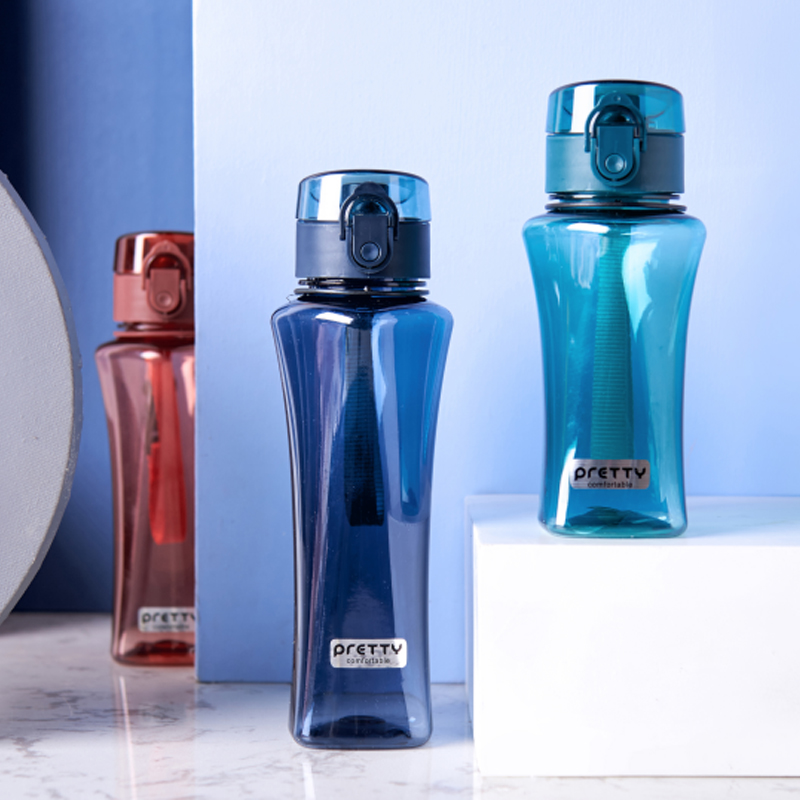 Outdoor Leak-proof Drop-proof Portable Sports Water Bottle
-
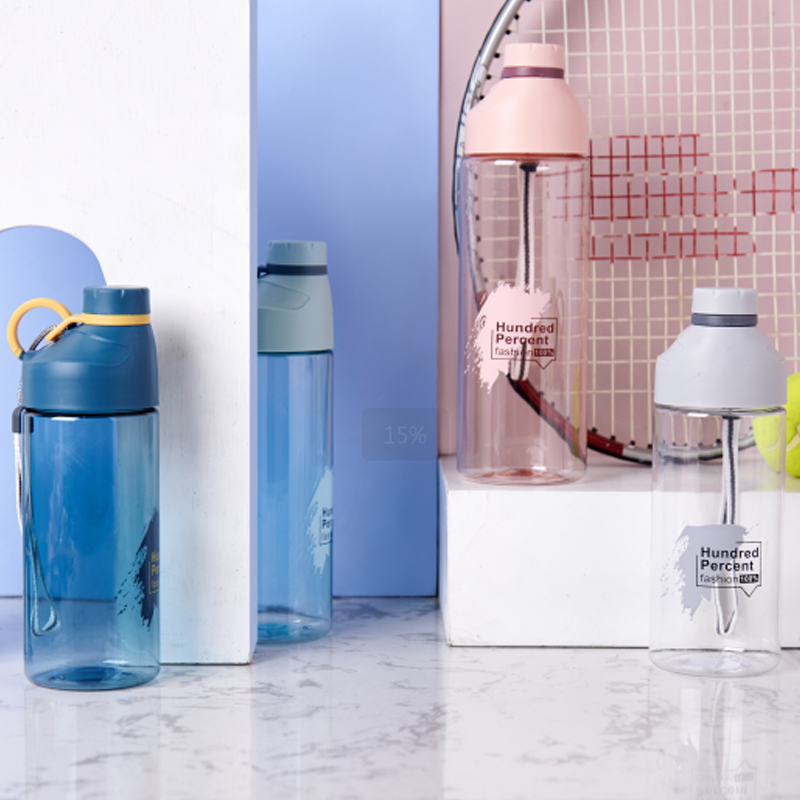 Direct Drinking Sports Water Bottle Plastic Cup for Running Fitness
-
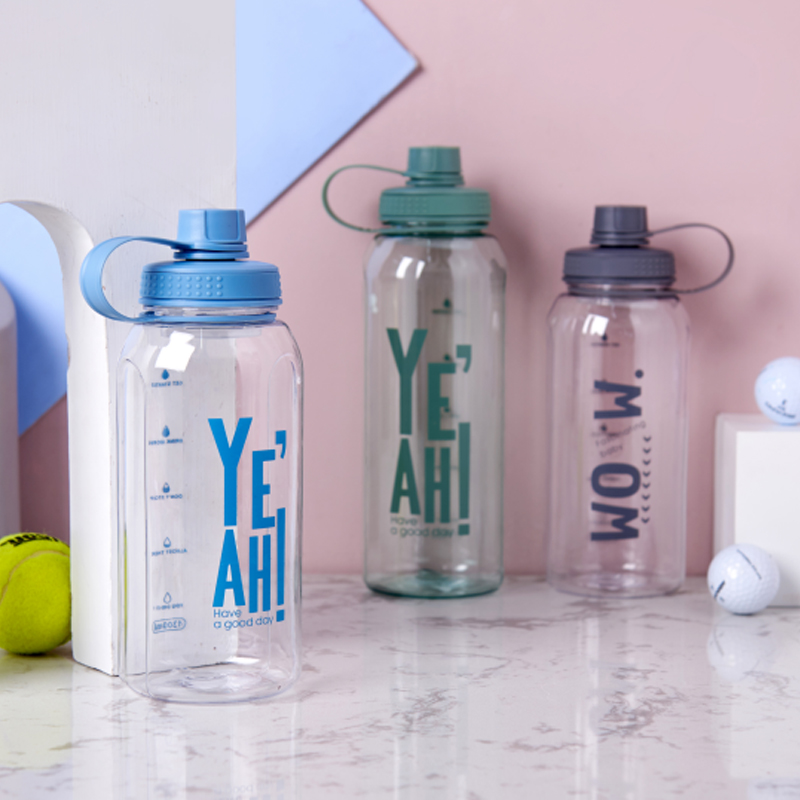 BPA-Free Transparent Large Capacity Plastic Sports Water Bottle
Start a Project? [email protected]


