
 中文简体
中文简体

Water Bottle For Students: Built for Backpacks and Cafeterias
Students carry a lot. Textbooks. Laptops. Lunch. A phone. The water bottle needs to fit in that load without making it heavier or messier. A water bottle for students is not the same as a bottle for hiking or gym use. It needs to survive being dropped on concrete. It needs to fit in backpack side pockets. It needs to open with one hand between classes. And it needs to be cheap enough that losing it is not a disaster.
What a Student Water Bottle Needs That Other Bottles Do Not
Durability matters more than insulation for students
A water bottle for students gets dropped. On the bus. In the hallway. Off the desk. A glass bottle breaks. A thin plastic bottle cracks. A double-wall stainless bottle dents but keeps working. The dent is ugly. The bottle still holds water.
Plastic bottles are lighter and cheaper. Tritan plastic does not break easily and does not hold flavors from yesterday's juice. Stainless steel is heavier and more expensive but lasts through multiple school years. For middle school and high school students, plastic is fine. For college students who keep the same bottle for years, stainless steel is better.
The opening needs to work one-handed between classes
Between classes, students walk and drink. No time to unscrew a tight cap with two hands. A water bottle for students needs a one-handed opening mechanism. Flip straw. Push-button pop top. Squeeze-and-sip valve.
Here is what makes a good opening mechanism for students:
- Flip straw — easy to open and close with one hand, but straw needs cleaning
- Push-button pop top — opens wide for drinking, closes securely, fewer parts to break
- Squeeze bottle with silicone valve — no moving parts, but harder to clean
- Screw cap — cheap and reliable, but two hands to open, slow between classes
Size and Shape for Backpack Compatibility
The bottle must fit standard backpack side pockets
Backpack side pockets are designed for water bottles. But not every bottle fits. A water bottle for students needs to be narrow enough to slide into the pocket. Usually 2.5 to 3 inches in diameter. Wider bottles sit on top of the pocket, not inside. They fall out when the student bends over.
Tall bottles fit but stick up above the pocket. The bottle hits door frames and desk undersides. A 20-ounce bottle is usually shorter than a 32-ounce bottle. Taller than 10 inches becomes awkward.
The capacity should match the school day without being too heavy
A full 40-ounce stainless steel bottle weighs over 2 kilograms. Heavy. The student carries it all day. A water bottle for students in the 18 to 24 ounce range is lighter. Still enough water for morning classes. Refill at lunch. Lighter bottle means less complaining about backpack weight.
Elementary students need smaller bottles. 12 to 14 ounces. Their hands are smaller. Their backpacks are smaller. A big bottle does not fit their locker.
Leakproof Design Is Non-Negotiable
A leak in a backpack ruins homework and electronics
Water on a laptop is bad. Water on a textbook is expensive. A water bottle for students that leaks even a little is useless. The seal needs to be reliable when the bottle is tossed in a backpack, thrown in a locker, or dropped on the floor.
Screw caps leak less than flip tops. But students prefer flip tops for convenience. A good flip top design has a rubber gasket that seals against the lid opening. The gasket should be removable for cleaning.
Here is what fails on student bottle seals:
- Gasket falls out when cleaning — gets lost, bottle leaks
- Flip top hinge breaks — lid does not close tight
- Plastic threads crack — cap no longer seals
- Silicone valve tears — leak at the drinking spout
Cleaning must be easy enough for a teenager to manage
A water bottle for students grows mold if not cleaned. The student needs to clean it. Not their parent. The bottle needs to come apart without tools. The cap needs to disassemble by hand. No crevices where old juice hides.
Dishwasher-safe is a big plus. The student puts the bottle and cap on the top rack. Parents run the dishwasher. Everyone is happy.
What to Look for When Buying or Sourcing Student Bottles
Material safety certifications matter for school compliance
Schools check for safe materials. A water bottle for students should be BPA-free, phthalate-free, and lead-free. Stainless steel bottles should use food-grade 18/8 or 304 steel. Plastic bottles should use Tritan or food-grade polypropylene.
Ask for documentation. A supplier who cannot provide material certs is not worth working with.
Price point affects whether parents buy one or lose one
A water bottle for students that costs $30 is a problem. Parents buy one. The student loses it in a week. Parents are angry. The student is in trouble. A $10 bottle gets replaced without drama. The student learns nothing about responsibility, but the family budget survives.
For schools selling branded bottles to students, price matters. Under $15 sells. Over $20 sits on the shelf.
Customization options for school logos and colors
Schools want their logo on student water bottles. The logo builds school spirit. It also helps lost bottles find their way back to the owner. A water bottle for students supplier should offer screen printing, pad printing, or laser engraving.
Laser engraving on stainless steel lasts forever. Screen printing on plastic wears off after a few dishwasher cycles. Choose the method based on expected bottle life.
A water bottle for students is a simple product. But the requirements are specific. One-handed opening. Leakproof seal. Backpack-sized. Affordable. Easy to clean. A bottle that meets all these needs works well for students and makes parents happy. A bottle that misses any of these will get left at home, thrown away, or complained about. Students are honest critics. If the bottle is hard to use, they will tell you. Loudly.
-
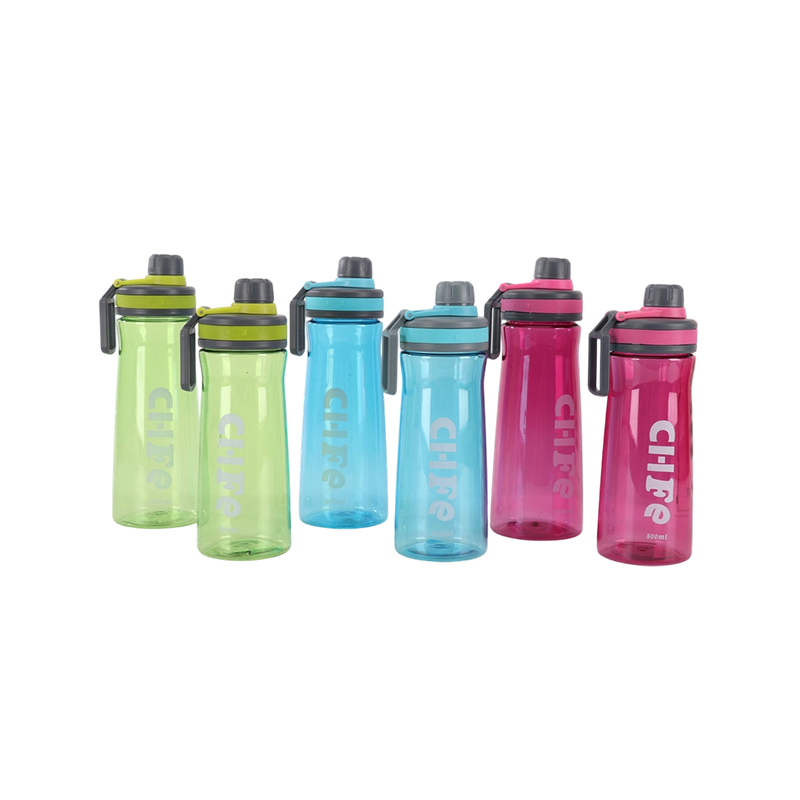 800ml Large Capacity Leakproof Outdoor Sports Water Bottle
-
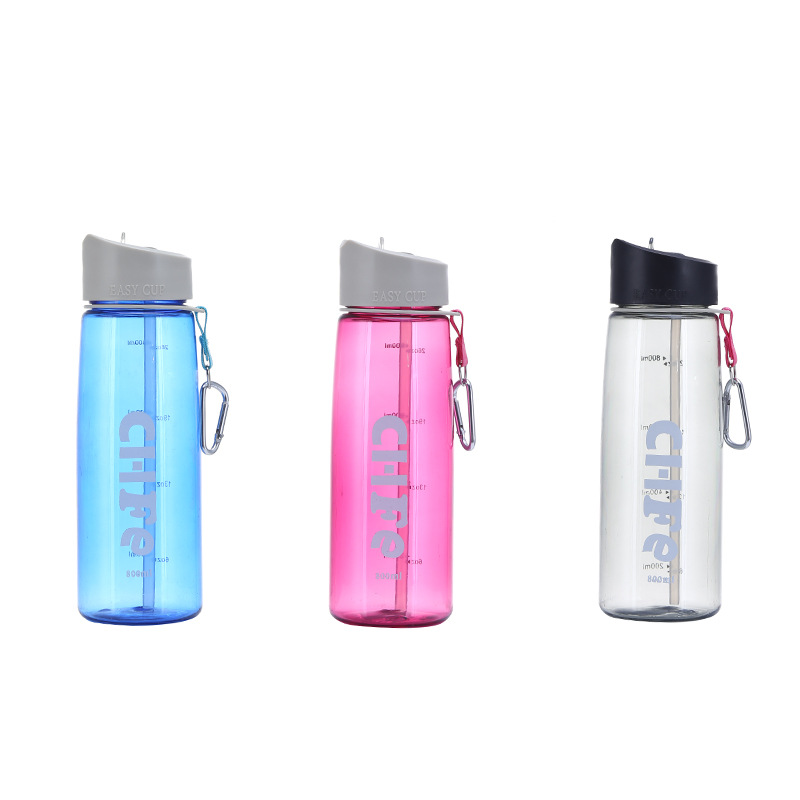 Large Capacity Transparent Portable Plastic Water Bottle
-
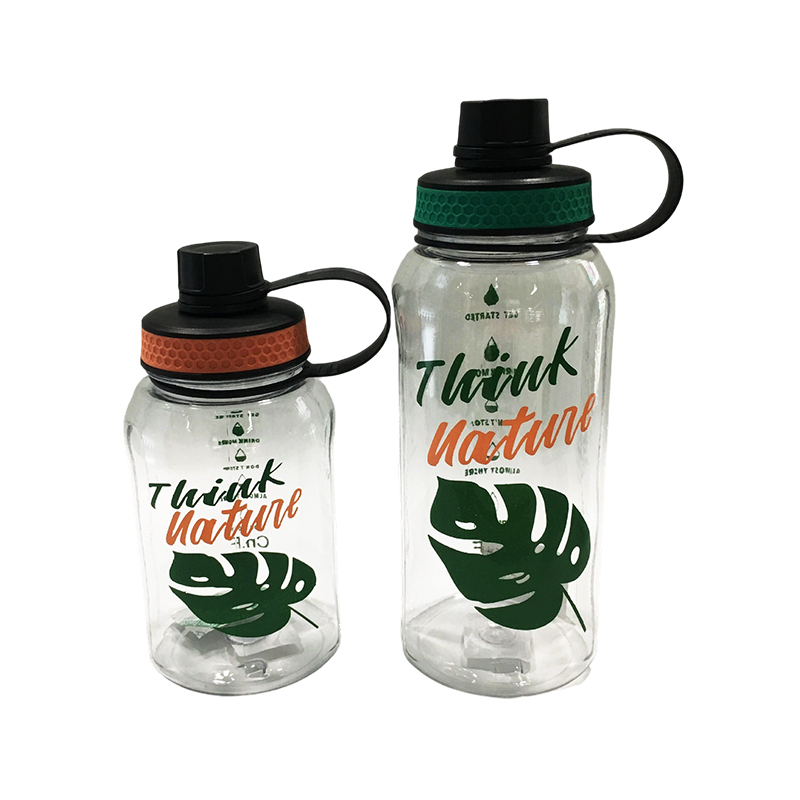 Think Natural Drinking Water Bottle For Outdoor Sports
-
 BPA Free Sports Water Bottle With One Touch Lid
-
 Simple Graduated Transparent Water Carafe Sports Bottle
-
 Outdoor Leak-proof Drop-proof Portable Sports Water Bottle
-
 Direct Drinking Sports Water Bottle Plastic Cup for Running Fitness
-
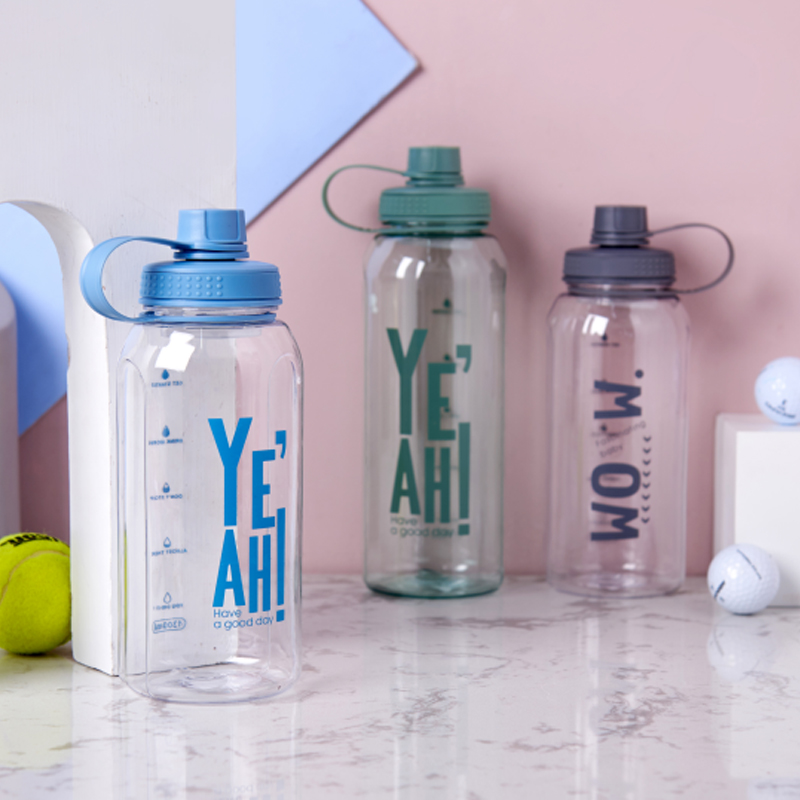 BPA-Free Transparent Large Capacity Plastic Sports Water Bottle
Start a Project? [email protected]


