
 中文简体
中文简体

What Features Should Parents Look for in a Water Bottle For Students?
School routines have changed over the years. Students now carry laptops, tablets, sports gear, and packed lunches alongside traditional notebooks and textbooks. In this daily setup, even small accessories can influence convenience and organization. One item that continues to play a practical role is the Water Bottle For Students.
Rather than being treated as a simple container, it has become part of how students manage hydration during classes, sports activities, and travel between home and school.
Why Hydration Matters During School Hours
Students often spend long hours in classrooms, libraries, and activity areas without regular access to drinking fountains. Carrying a personal bottle helps reduce interruptions during study sessions and school activities.
A Water Bottle For Students is commonly used in:
- Elementary and middle schools
- College campuses
- Sports training sessions
- After-school programs
- School bus or commuting routines
These different environments require bottles that are easy to carry and practical for repeated daily use.
Design Features That Match Student Lifestyles
Modern school bags already contain heavy items, so portability matters. A Water Bottle For Students is usually designed with lightweight materials and compact dimensions that fit side pockets or desk spaces.
Common design features include:
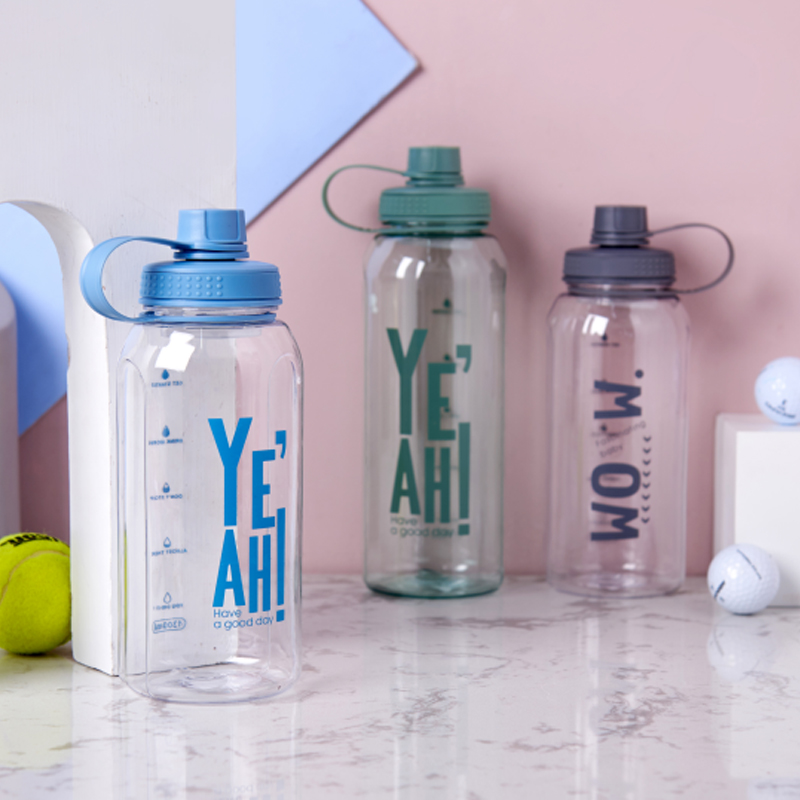
- Leak-resistant lids
- Carrying handles or straps
- Wide-mouth openings for cleaning
- Compact body shapes for backpacks
- Transparent measurement markings
These details may seem small, but they affect how often students actually carry and use the bottle during the day.
Material Choices and Daily Use
Different bottle materials are selected based on durability, weight, and cleaning habits. Plastic, stainless steel, and Tritan materials are common in student products.
A Water Bottle For Students made from lightweight plastic may suit younger children because it adds less weight to school bags. Stainless steel versions are often chosen for temperature retention during sports or outdoor activities.
Parents and schools also consider how easy the bottle is to clean after repeated daily use.
Classroom Convenience and Storage
In crowded classrooms, large bottles can take up desk space or fall easily during movement between classes. Because of this, manufacturers often design slimmer bottle shapes that fit beside books and electronic devices.
A Water Bottle For Students with a stable base and secure lid helps reduce accidental spills inside backpacks or study areas. This is especially important for students carrying tablets, laptops, or printed assignments.
Some schools also encourage reusable bottle use as part of reducing disposable plastic waste on campus.
Personal Style and Student Preferences
Students often choose accessories that reflect personal style. Bottle appearance, color selection, and graphic design can influence purchasing decisions as much as practical features.
A Water Bottle For Students may include:
- Cartoon or sports-themed graphics
- Neutral colors for older students
- Motivational text prints
- Interchangeable lid styles
- Stickers or customization areas
This mix of function and appearance helps products fit different age groups and school environments.
Role in Outdoor and Sports Activities
Beyond classroom use, hydration is also important during physical education classes and extracurricular activities. Students participating in sports often need larger-capacity bottles that can handle repeated movement.
A Water Bottle For Students designed for active use may include grip textures, flip-top drinking systems, or reinforced carrying loops. These features support easier handling during training sessions and outdoor events.
For school trips or field activities, reusable bottles also help reduce dependence on disposable beverage packaging.
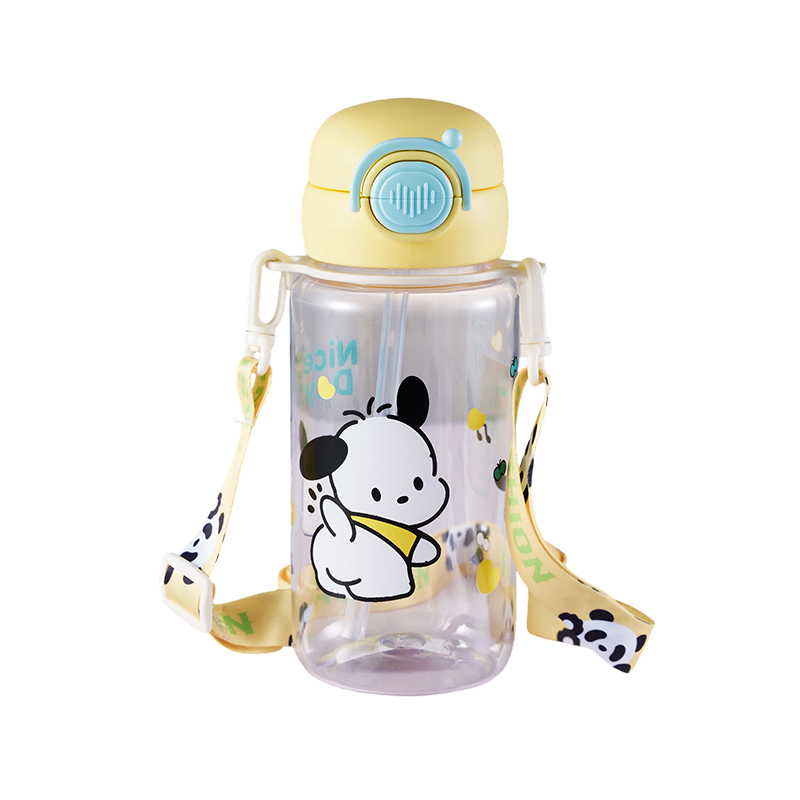
Daily school routines involve more movement and equipment than many people realize. The Water Bottle For Students has become a practical accessory that supports hydration, organization, and portability throughout different parts of the school day.
As schools continue encouraging reusable products and students carry increasingly mobile lifestyles, bottle design is evolving to balance convenience, durability, and personal preference in everyday educational environments.
-
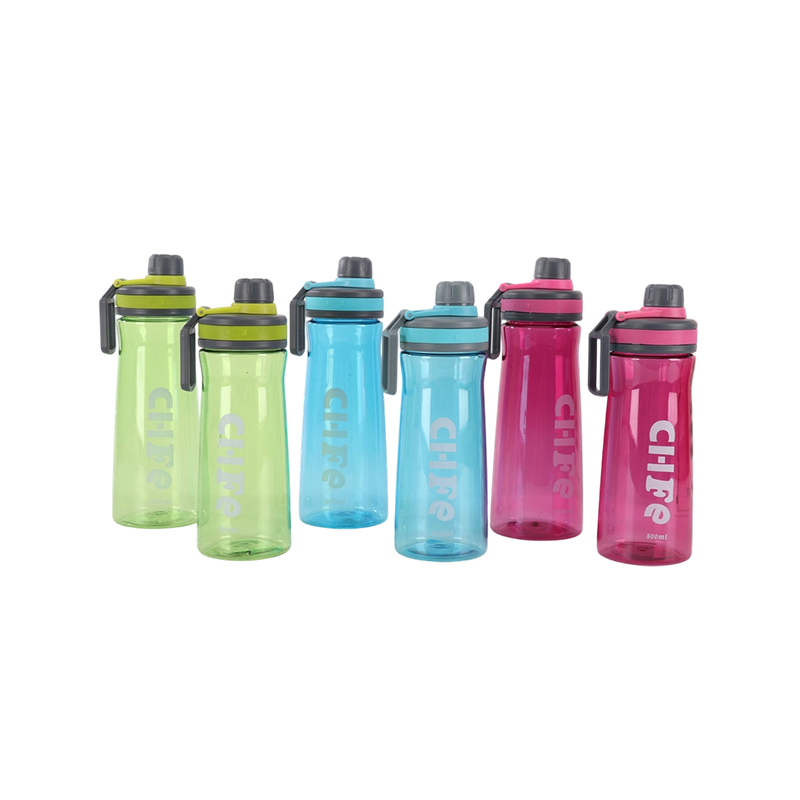 800ml Large Capacity Leakproof Outdoor Sports Water Bottle
-
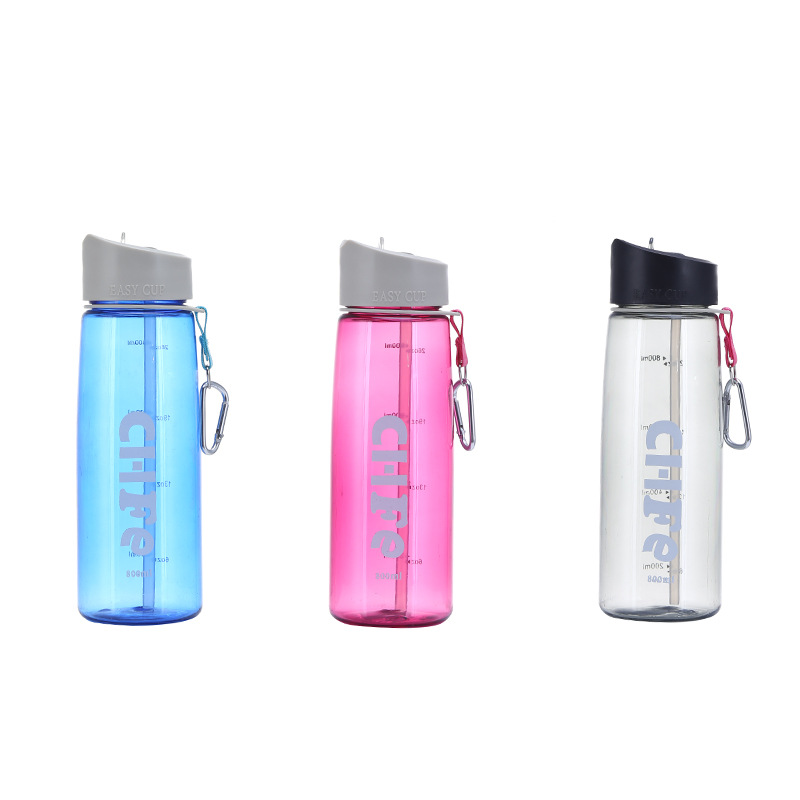 Large Capacity Transparent Portable Plastic Water Bottle
-
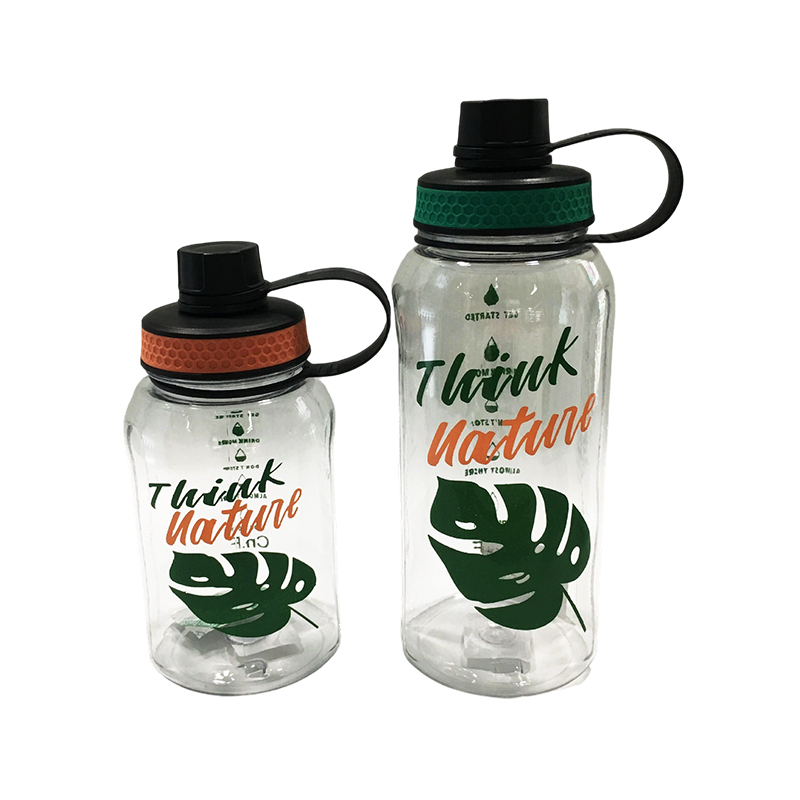 Think Natural Drinking Water Bottle For Outdoor Sports
-
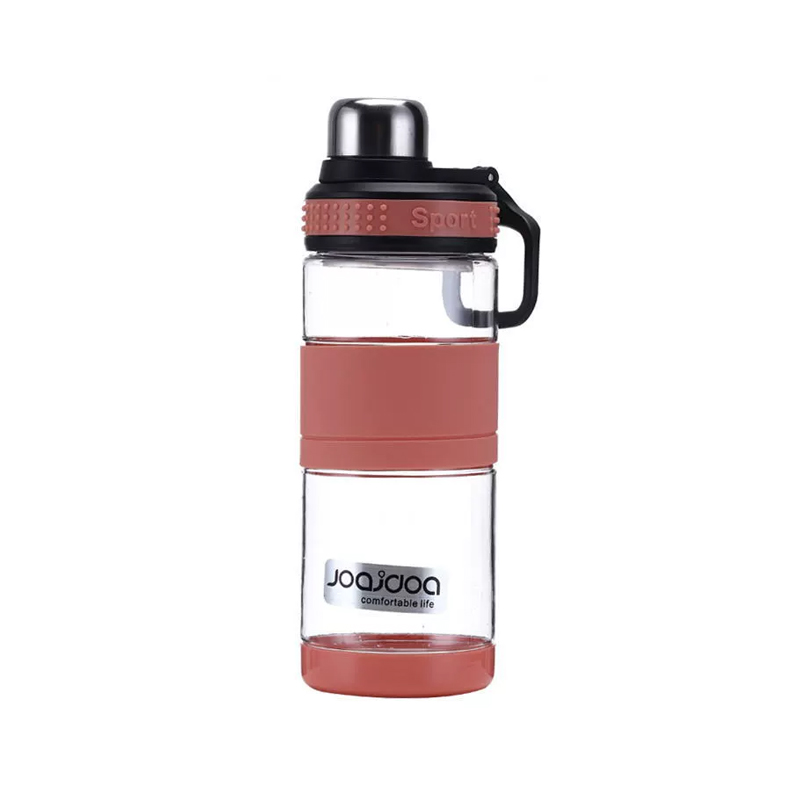 BPA Free Sports Water Bottle With One Touch Lid
-
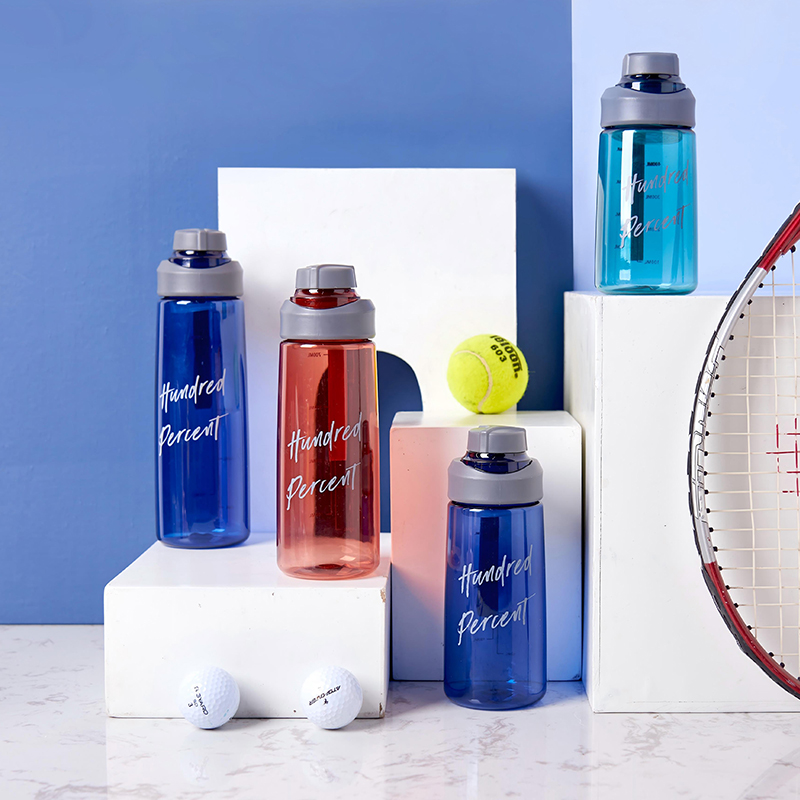 Simple Graduated Transparent Water Carafe Sports Bottle
-
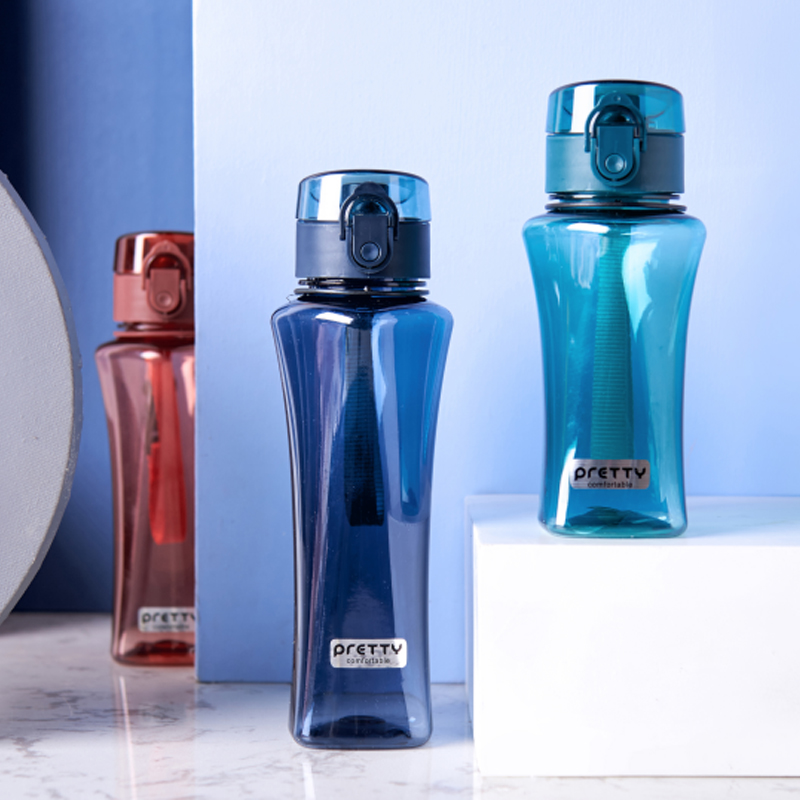 Outdoor Leak-proof Drop-proof Portable Sports Water Bottle
-
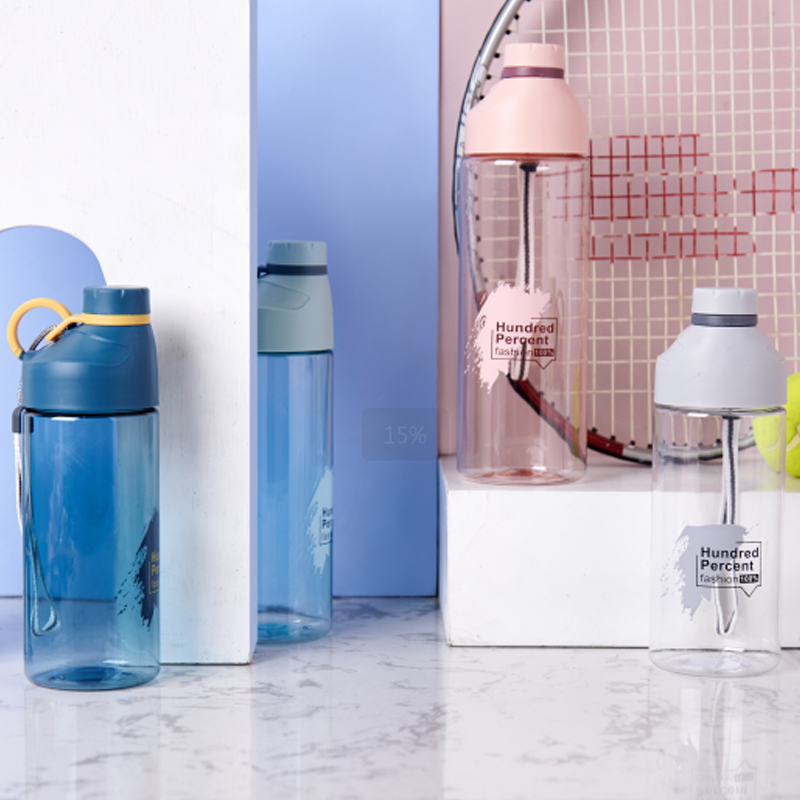 Direct Drinking Sports Water Bottle Plastic Cup for Running Fitness
-
 BPA-Free Transparent Large Capacity Plastic Sports Water Bottle
Start a Project? [email protected]


